
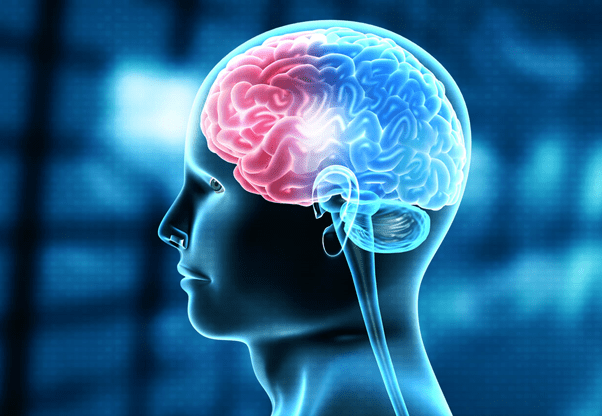
Traumatic brain injuries (TBIs) are among the most serious types of injuries you might suffer in a fall, motor vehicle accident, assault, or while playing sports. While injuries such as broken bones can heal and allow you to fully recover, a moderate to severe TBI can have lifelong effects. Even mild TBIs, which are commonly known as concussions, can have more of an impact than previously thought. In addition to physical disabilities that can result from a TBI, brain injuries are also linked with multiple mental health conditions. Here’s some information about traumatic brain injuries and the mental health conditions they are associated with.
Relationship Between TBIs and Mental Health Conditions
The National Institutes of Health (NIH) reports that 21.2% of people who suffer mild traumatic brain injuries or concussions develop mental health symptoms within six months of their injuries. This makes it important for people who suffer concussions to receive follow-up care to address their symptoms.
Among those who suffer moderate to severe TBIs, the prevalence of mental health disorders is even higher. A 2021 epidemiological study published in the journal Biological Psychiatry reported that 62% of Australian individuals who suffered moderate to severe TBIs developed diagnosed mental health disorders within 12 months of their injuries.
Why Might TBIs Lead to Mental Health Conditions?
Your brain is primarily responsible for how you think, feel, and behave. When it is damaged because of a TBI, it might not return to its previous functioning level. An injured brain experiences physiological changes. For example, mild TBIs can disrupt the interactions between nerve cells and the blood vessels that supply them with nutrients, which is called neurovascular coupling. A disruption to your brain’s neurovascular coupling can cause the affected areas of your brain not to work as they should. While the surrounding areas of your brain might try to assume the lost work, they can’t do so effectively, even without structural damage. With moderate to severe TBIs, structural damage can occur, impacting your ability to think and feel and affecting your behavior. Changes to your brain caused by a TBI can result in mental health symptoms.
Because of the damage to the brain, a TBI can cause mental health disorders and emotional symptoms that may be temporary or chronic. Mental health symptoms and emotional issues after a TBI can occur both because of the dysfunction in the brain and your body’s natural response to trauma.
Common Mental Health Disorders Linked to TBIs
TBIs are associated with a higher prevalence of mental health disorders. The most commonly occurring mental health conditions and psychological disturbances following TBIs are discussed below.
Depression
Among people who suffer TBIs, 27% meet the criteria for major depression or mild depression (dysthymia). Another 38% suffer from depression symptoms that interfere with their ability to enjoy daily life.
Depression associated with TBIs can result from the individual’s emotional reaction to experiencing the injury, their circumstances following the injury, or physical brain damage. Some common depression symptoms people might experience after a TBI include the following:
- Social isolation
- Reduced productivity
- Loss of appetite
- Trouble concentrating
- Feelings of guilt
- Feelings of despair
- Feelings of hopelessness
- Low self-esteem
- Suicidal ideation
Anxiety Disorder
Many people who’ve suffered TBIs develop anxiety disorders. Similar to depression and PTSD, anxiety disorders following a TBI might not show up for a few months. Some of the common anxiety symptoms suffered by those with TBIs include the following:
- Tachycardia
- Increased respirations
- Trembling
- Excessive sweating
- Shortness of breath
- Extreme, irrational fear and worry
- Social isolation
- Difficulty concentrating
Post-Traumatic Stress Disorder
People who suffer TBIs are more likely to develop post-traumatic stress disorder (PTSD) than those who suffer other types of physical injuries. While people can suffer PTSD following any injury, it is more common to develop this condition following a TBI.
Common PTSD symptoms that you might experience following a TBI include the following:
- Intrusive thoughts
- Avoidance of triggering situations
- Negative mood changes
- Negative thoughts
- Changes in reactivity
PTSD can show up as acute stress disorder, in which you might experience the symptoms temporarily, or it can last for months or longer. You might also experience sudden symptoms or a delayed onset.
Emotional Dysregulation
When a TBI damages the regions of the brain that control emotional regulation and behavior, you might experience trouble regulating your emotions and mood swings. Emotional dysregulation and mood swings can cause the following symptoms:
- Experiencing emotions intensely
- Sudden crying or laughing without an identified cause
- Lack of emotional insight or awareness
- Sudden, sharp mood changes
- Difficulty controlling emotions and reactions to them
- Inappropriate emotional reactions
Insomnia
Insomnia is very common among those who have suffered TBIs.
Insomnia is a common occurrence in people who have suffered from a traumatic brain injury. One study found that 43% of those who suffered TBIs experienced insomnia within two weeks of their injury, and 27.8% experienced insomnia one year later. This is important because up to 50% of cases involving insomnia are linked to comorbid mental health conditions, including depression, stress, and anxiety.
Aggression and Irritability
Aggressive behavior and irritability are very common in people who have suffered TBIs.
Fortunately, many people who exhibit aggressive behavior after a TBI are verbally rather than physically aggressive. This is closely related to emotional dysregulation because of damage to the brain.
Executive Function and Cognitive Problems
Many people with TBIs experience cognitive problems following their injuries. These impairments can include difficulty with executive functioning, memory problems, trouble performing tasks, inattentiveness, trouble perceiving, and language difficulties. Cognitive problems following TBIs are caused by structural damage to the areas of the brain responsible for thinking, problem-solving, language, task performance, memory, and decision-making.
Dealing with Mental Health Problems Following a TBI
Traumatic brain injuries can cause multiple mental health problems, including some diagnosable mental health disorders. If you are experiencing psychological disturbances following a TBI, you should seek help from a licensed mental health professional. Make sure you also continue to follow your medical doctor’s treatment plan.
Regardless of what caused your TBI, your brain injury can have longlasting repercussions that require attention. If you experienced a blow to the head recently and haven’t seen a doctor, you should seek care immediately to prevent additional damage from occurring. Damage from a TBI can spread and worsen your prognosis and the symptoms you experience.
You shouldn’t overlook mental health care if you’re experiencing mental health symptoms. It is just as important as physical medical care for your other TBI symptoms. Getting treatment for all of your symptoms and related conditions is important for aiding your recovery.
Following your treatment plan and getting help with psychological symptoms might help you to increase your independence and quality of life. If you suffered your TBI and resulting conditions in an accident someone else caused, you might also want to speak with an experienced brain injury lawyer to understand your legal options and recovery rights. Treatment for a moderate to severe TBI can be costly, and an experienced attorney might help you recover compensation for the losses you have suffered while you work on recovering from your injury.

 USA Today Health Blog