The Importance of Residential Eating Disorder Treatment

Eating disorders are complex mental health conditions that affect not only a person’s relationship with food but also their physical health, emotional well-being, and daily functioning. Conditions such as anorexia nervosa, bulimia nervosa, and binge eating disorder often develop over time and can become deeply ingrained. Because of this complexity, recovery is rarely straightforward. For many individuals, residential eating disorder treatment provides a structured and supportive environment that can make meaningful recovery possible.

Understanding why this level of care is important helps clarify why some individuals benefit more from intensive treatment settings than outpatient approaches alone.

Understanding the Nature of Eating Disorders

Eating disorders are not simply about food or appearance. They are often connected to deeper psychological, emotional, and sometimes traumatic experiences. These conditions can involve distorted thinking patterns, intense anxiety around eating, and behaviors that feel difficult to control.

Over time, these patterns can become reinforced, making it challenging to break the cycle without consistent and specialized support. This is one of the reasons why structured treatment environments are often recommended for moderate to severe cases.

Residential care provides the level of attention needed to address both the physical and psychological aspects of recovery.

What Residential Treatment Involves

Residential eating disorder treatment is a live-in program where individuals stay at a treatment facility for a period of time while receiving comprehensive care. This includes medical supervision, nutritional support, and therapeutic interventions.

Unlike outpatient care, where individuals return home after sessions, residential programs offer 24-hour support. This constant access to care ensures that both physical health and emotional stability are closely monitored.

The structured environment helps remove external triggers and distractions, allowing individuals to focus fully on recovery.

Providing Medical Stability and Safety

One of the most important roles of residential treatment is ensuring medical stability. Eating disorders can lead to serious health complications, including heart issues, nutritional deficiencies, and electrolyte imbalances.

In a residential setting, medical professionals regularly monitor vital signs, weight, and overall health. This close supervision helps identify and address complications early.

For individuals who are medically vulnerable, this level of care can be essential in preventing life-threatening situations and supporting physical recovery.

Creating a Structured Healing Environment

Structure plays a significant role in eating disorder recovery. Many individuals struggling with these conditions experience chaos in their eating patterns, thoughts, and emotions.

Residential treatment introduces a consistent daily routine that includes meals, therapy sessions, and rest periods. This predictability helps reduce anxiety and creates a sense of stability.

Over time, this structure can help individuals rebuild healthier habits and develop a more balanced relationship with food and self-care.

Addressing Emotional and Psychological Challenges

Eating disorders are deeply connected to emotional health. Feelings such as anxiety, shame, guilt, and low self-esteem often play a significant role in maintaining disordered behaviors.

Residential treatment provides access to various forms of therapy, including individual counseling, group therapy, and sometimes family involvement. These therapeutic approaches help individuals explore underlying issues and develop healthier coping mechanisms.

By addressing emotional roots rather than just surface behaviors, treatment supports long-term recovery rather than temporary change.

Reducing External Triggers and Pressures

One of the challenges in outpatient recovery is exposure to daily triggers. These can include social pressures, environmental stressors, or routines that reinforce disordered eating behaviors.

Residential treatment removes individuals from these environments temporarily, allowing them to focus entirely on healing. This break from external pressures can be essential in breaking harmful cycles.

Without constant exposure to triggers, individuals have more space to reflect, learn, and rebuild healthier patterns.

Learning Healthy Eating Behaviors

For many individuals with eating disorders, normal eating patterns may feel unfamiliar or even uncomfortable. Residential programs help reintroduce balanced nutrition in a safe and guided way.

Meals are often supervised and structured to ensure nutritional needs are being met. Over time, individuals learn to rebuild trust with food and their bodies.

This gradual re-learning process is an important step toward long-term recovery and physical restoration.

Building a Supportive Community

Isolation is common among individuals struggling with eating disorders. Residential treatment helps counter this by creating a supportive community of peers and professionals.

Being surrounded by others who understand similar challenges can reduce feelings of loneliness and shame. Group therapy and shared experiences help build connection and encouragement.

This sense of community often becomes a powerful part of the healing process.

Developing Long-Term Coping Skills

Recovery from an eating disorder does not end when treatment does. One of the key goals of residential care is to equip individuals with tools they can use after leaving the program.

These skills may include emotional regulation techniques, stress management strategies, and healthier thought patterns around food and body image.

By practicing these skills in a structured environment, individuals are better prepared to apply them in real-world situations.

Supporting Family Involvement and Education

Eating disorders often affect not just the individual but also their family and support system. Residential programs frequently include family education and therapy components.

This helps families understand the condition, improve communication, and learn how to support recovery effectively.

Stronger family involvement can create a more supportive home environment once treatment transitions to outpatient care.

The Role of Professional Guidance

Residential treatment brings together a team of professionals, including therapists, dietitians, nurses, and medical doctors. This multidisciplinary approach ensures that all aspects of recovery are addressed.

Having access to different types of expertise allows for more comprehensive care. It also ensures that treatment plans can be adjusted based on individual progress and needs.

In some contexts, facilities such as residential eating disorder treatment centers often emphasize this integrated approach as a foundation for effective recovery.

Preparing for Life After Treatment

A key part of residential care is planning for life beyond the program. Transitioning back to everyday life can be challenging, so preparation is essential.

This may include continued outpatient therapy, nutritional planning, and support systems to help maintain progress.

The goal is to ensure that individuals leave treatment with confidence, stability, and ongoing support.

Conclusion: A Foundation for Meaningful Recovery

Residential eating disorder treatment provides more than just a place to stay—it offers a structured, supportive, and medically supervised environment where real healing can take place.

By addressing physical health, emotional well-being, and behavioral patterns together, it creates a comprehensive path toward recovery. It also helps individuals develop the tools and confidence needed to maintain progress long after treatment ends.

In the end, this level of care plays an important role in helping individuals rebuild their relationship with food, their bodies, and themselves in a healthier and more sustainable way.

Healthy Activities That Encourage Wellness Living

Wellness living involves creating habits that support physical health, emotional balance, and mental clarity. Rather than focusing on a single routine, a balanced lifestyle typically includes a variety of activities that nurture both the body and the mind. Engaging in meaningful hobbies, staying physically active, and practicing mindful habits can gradually improve overall well-being.

Moreover, wellness living encourages individuals to pursue activities that promote relaxation, creativity, and consistent movement. These routines not only help reduce stress but also strengthen focus, motivation, and resilience. By incorporating enjoyable practices into daily life, individuals can build a sustainable approach to long-term health and personal growth.

Practicing Indoor Cycling for Cardiovascular Health

Physical activity remains one of the most effective ways to support wellness living. Cycling indoors offers a convenient method of improving cardiovascular endurance while remaining in a controlled environment. Many individuals appreciate the flexibility of indoor cycling, especially when outdoor weather conditions or busy schedules make traditional exercise difficult.

Regular cycling sessions help strengthen the heart, improve circulation, and build lower-body muscle strength. In addition, indoor cycling workouts often incorporate rhythm and music, which can make the exercise feel engaging rather than repetitive. Because intensity levels can be adjusted, this activity suits beginners as well as experienced fitness enthusiasts. Over time, consistent participation in cycling workouts can enhance stamina while supporting overall wellness.

Engaging in Knitting for Mindful Relaxation

Creative hobbies contribute significantly to emotional wellness. One activity that has gained popularity in recent years is knitting, which combines artistic expression with calming repetition. The gentle rhythm of knitting movements can encourage mindfulness and reduce stress levels after a demanding day.

Using quality knitting tools helps maintain consistency and comfort while creating projects such as scarves, blankets, or decorative pieces. Many individuals find that working with yarn encourages patience and focus, allowing them to disconnect from digital distractions and concentrate on a tactile craft. In addition, knitting communities often form around shared interests, creating social connections that further enhance overall well-being.

Practicing Yoga for Balance and Flexibility

Yoga provides a holistic approach to wellness by combining physical movement, breathing exercises, and mental awareness. Through a series of controlled poses, individuals gradually improve flexibility, posture, and muscular strength. Yoga also encourages slow, deliberate breathing patterns that calm the nervous system and support relaxation.

Because yoga emphasizes mindfulness, participants often develop a stronger connection between body and mind. This awareness can help reduce anxiety while promoting emotional balance. Whether practiced in a studio, at home, or outdoors, yoga routines can adapt to different skill levels and personal goals, making them accessible to a wide range of individuals seeking healthier lifestyles.

Walking Outdoors for Mental Clarity

Simple activities sometimes provide the greatest benefits for wellness living. Walking outdoors offers both physical exercise and an opportunity to connect with natural surroundings. Fresh air, sunlight, and gentle movement can enhance mood while encouraging mental clarity.

Regular walking sessions also improve cardiovascular health and help maintain mobility. Many people discover that walking through parks, neighborhoods, or scenic trails allows them to reflect, decompress, and regain focus. In addition, the rhythmic pace of walking often sparks creativity and problem-solving, making it an effective way to recharge both mentally and physically.

Practicing Meditation for Emotional Balance

Meditation supports emotional well-being by encouraging individuals to focus on the present moment. Through quiet reflection and controlled breathing, meditation helps calm racing thoughts and reduce daily stress. Even short sessions can provide noticeable improvements in mental clarity and emotional resilience.

Over time, consistent meditation practice can enhance concentration, patience, and self-awareness. Many people incorporate meditation into their morning or evening routines as a way to establish a peaceful mindset. By creating moments of stillness in a busy day, meditation contributes to a more balanced and mindful lifestyle.

Preparing Nutritious Meals for Healthy Living

Nutrition plays a fundamental role in maintaining wellness. Preparing meals at home allows individuals to make intentional choices about ingredients, portion sizes, and cooking methods. A balanced diet that includes vegetables, whole grains, lean proteins, and healthy fats supports both energy levels and overall health.

Cooking can also become a relaxing and rewarding activity. Experimenting with new recipes, seasonal ingredients, and cultural dishes encourages creativity in the kitchen. As individuals become more mindful of their food choices, they often develop healthier eating patterns that contribute to long-term wellness.

Gardening for Stress Relief and Physical Activity

Gardening blends light physical exercise with the calming effects of nature. Tending plants, watering flowers, and maintaining a garden space can reduce stress while encouraging time outdoors. The process of nurturing plants also promotes patience and responsibility.

Additionally, gardening activities involve gentle movement such as digging, planting, and pruning, which support flexibility and muscle engagement. Many individuals find satisfaction in watching plants grow over time, creating a sense of accomplishment and connection to the natural environment.

Journaling for Self-Reflection and Growth

Writing in a journal provides an outlet for personal reflection and emotional expression. Recording thoughts, experiences, and goals helps individuals organize their ideas while gaining insight into their emotions. Journaling also allows people to track progress, identify patterns, and celebrate personal achievements.

By setting aside a few minutes each day to write, individuals create a private space for introspection. This habit can improve problem-solving skills, reduce anxiety, and support personal development. Over time, journaling becomes a meaningful practice that contributes to emotional clarity and self-awareness.

Participating in Community Activities for Social Connection

Human connection plays a vital role in wellness living. Participating in community events, volunteer programs, or local hobby groups allows individuals to interact with others who share similar interests. Social engagement helps reduce feelings of isolation while building supportive relationships.

Community activities may include group fitness classes, neighborhood projects, or creative workshops. These experiences encourage collaboration and meaningful conversation, both of which contribute to emotional well-being. Strong social networks often provide encouragement and motivation that reinforce healthy lifestyle habits.

Building a Lifestyle That Supports Wellness Living

Wellness living grows from consistent habits that support both physical and emotional health. Activities such as indoor cycling, creative crafts that use knitting tools, outdoor walks, meditation, and social engagement all contribute to a balanced lifestyle. Each activity offers unique benefits, yet together they create a holistic approach to well-being.

By incorporating diverse routines into everyday life, individuals can strengthen resilience, improve overall health, and cultivate greater happiness. Wellness does not depend on a single practice but rather on the combination of habits that nurture the body, calm the mind, and enrich daily experiences.

Mental Health Issues Caused by Traumatic Brain Injury

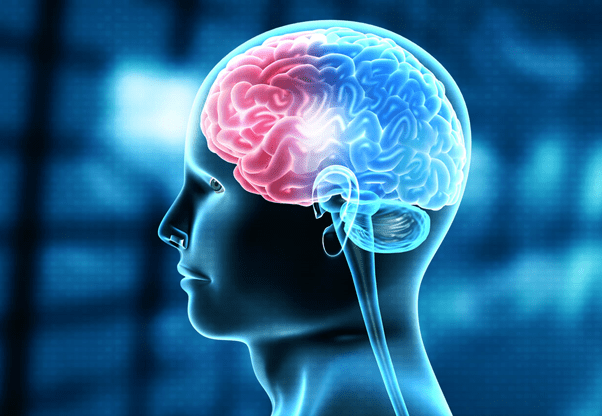
Traumatic brain injuries (TBIs) are among the most serious types of injuries you might suffer in a fall, motor vehicle accident, assault, or while playing sports. While injuries such as broken bones can heal and allow you to fully recover, a moderate to severe TBI can have lifelong effects. Even mild TBIs, which are commonly known as concussions, can have more of an impact than previously thought. In addition to physical disabilities that can result from a TBI, brain injuries are also linked with multiple mental health conditions. Here’s some information about traumatic brain injuries and the mental health conditions they are associated with.

Relationship Between TBIs and Mental Health Conditions


The National Institutes of Health (NIH) reports that 21.2% of people who suffer mild traumatic brain injuries or concussions develop mental health symptoms within six months of their injuries. This makes it important for people who suffer concussions to receive follow-up care to address their symptoms.

Among those who suffer moderate to severe TBIs, the prevalence of mental health disorders is even higher. A 2021 epidemiological study published in the journal Biological Psychiatry reported that 62% of Australian individuals who suffered moderate to severe TBIs developed diagnosed mental health disorders within 12 months of their injuries.

Why Might TBIs Lead to Mental Health Conditions?


Your brain is primarily responsible for how you think, feel, and behave. When it is damaged because of a TBI, it might not return to its previous functioning level. An injured brain experiences physiological changes. For example, mild TBIs can disrupt the interactions between nerve cells and the blood vessels that supply them with nutrients, which is called neurovascular coupling. A disruption to your brain’s neurovascular coupling can cause the affected areas of your brain not to work as they should. While the surrounding areas of your brain might try to assume the lost work, they can’t do so effectively, even without structural damage. With moderate to severe TBIs, structural damage can occur, impacting your ability to think and feel and affecting your behavior. Changes to your brain caused by a TBI can result in mental health symptoms.

Because of the damage to the brain, a TBI can cause mental health disorders and emotional symptoms that may be temporary or chronic. Mental health symptoms and emotional issues after a TBI can occur both because of the dysfunction in the brain and your body’s natural response to trauma.

Common Mental Health Disorders Linked to TBIs


TBIs are associated with a higher prevalence of mental health disorders. The most commonly occurring mental health conditions and psychological disturbances following TBIs are discussed below.

Depression


Among people who suffer TBIs, 27% meet the criteria for major depression or mild depression (dysthymia). Another 38% suffer from depression symptoms that interfere with their ability to enjoy daily life.

Depression associated with TBIs can result from the individual’s emotional reaction to experiencing the injury, their circumstances following the injury, or physical brain damage. Some common depression symptoms people might experience after a TBI include the following:

  • Social isolation
  • Reduced productivity
  • Loss of appetite
  • Trouble concentrating
  • Feelings of guilt
  • Feelings of despair
  • Feelings of hopelessness
  • Low self-esteem
  • Suicidal ideation

Anxiety Disorder


Many people who’ve suffered TBIs develop anxiety disorders. Similar to depression and PTSD, anxiety disorders following a TBI might not show up for a few months. Some of the common anxiety symptoms suffered by those with TBIs include the following:

  • Tachycardia
  • Increased respirations
  • Trembling
  • Excessive sweating
  • Shortness of breath
  • Extreme, irrational fear and worry
  • Social isolation
  • Difficulty concentrating

Post-Traumatic Stress Disorder


People who suffer TBIs are more likely to develop post-traumatic stress disorder (PTSD) than those who suffer other types of physical injuries. While people can suffer PTSD following any injury, it is more common to develop this condition following a TBI.

Common PTSD symptoms that you might experience following a TBI include the following:

  • Intrusive thoughts
  • Avoidance of triggering situations
  • Negative mood changes
  • Negative thoughts
  • Changes in reactivity


PTSD can show up as acute stress disorder, in which you might experience the symptoms temporarily, or it can last for months or longer. You might also experience sudden symptoms or a delayed onset.

Emotional Dysregulation


When a TBI damages the regions of the brain that control emotional regulation and behavior, you might experience trouble regulating your emotions and mood swings. Emotional dysregulation and mood swings can cause the following symptoms:

  • Experiencing emotions intensely
  • Sudden crying or laughing without an identified cause
  • Lack of emotional insight or awareness
  • Sudden, sharp mood changes
  • Difficulty controlling emotions and reactions to them
  • Inappropriate emotional reactions

Insomnia


Insomnia is very common among those who have suffered TBIs.
Insomnia is a common occurrence in people who have suffered from a traumatic brain injury. One study found that 43% of those who suffered TBIs experienced insomnia within two weeks of their injury, and 27.8% experienced insomnia one year later. This is important because up to 50% of cases involving insomnia are linked to comorbid mental health conditions, including depression, stress, and anxiety.

Aggression and Irritability


Aggressive behavior and irritability are very common in people who have suffered TBIs.
Fortunately, many people who exhibit aggressive behavior after a TBI are verbally rather than physically aggressive. This is closely related to emotional dysregulation because of damage to the brain.

Executive Function and Cognitive Problems


Many people with TBIs experience cognitive problems following their injuries. These impairments can include difficulty with executive functioning, memory problems, trouble performing tasks, inattentiveness, trouble perceiving, and language difficulties. Cognitive problems following TBIs are caused by structural damage to the areas of the brain responsible for thinking, problem-solving, language, task performance, memory, and decision-making.

Dealing with Mental Health Problems Following a TBI


Traumatic brain injuries can cause multiple mental health problems, including some diagnosable mental health disorders. If you are experiencing psychological disturbances following a TBI, you should seek help from a licensed mental health professional. Make sure you also continue to follow your medical doctor’s treatment plan.

Regardless of what caused your TBI, your brain injury can have longlasting repercussions that require attention. If you experienced a blow to the head recently and haven’t seen a doctor, you should seek care immediately to prevent additional damage from occurring. Damage from a TBI can spread and worsen your prognosis and the symptoms you experience.

You shouldn’t overlook mental health care if you’re experiencing mental health symptoms. It is just as important as physical medical care for your other TBI symptoms. Getting treatment for all of your symptoms and related conditions is important for aiding your recovery.

Following your treatment plan and getting help with psychological symptoms might help you to increase your independence and quality of life. If you suffered your TBI and resulting conditions in an accident someone else caused, you might also want to speak with an experienced brain injury lawyer to understand your legal options and recovery rights. Treatment for a moderate to severe TBI can be costly, and an experienced attorney might help you recover compensation for the losses you have suffered while you work on recovering from your injury.

Comprehending Cosmetic Girth Enhancement

The goal of cosmetic girth enlargement is to make the penis thicker for a more attractive and self-assured look.  These procedures are carried out at Loria Medical USA utilizing minimally invasive methods with an emphasis on comfort, safety, and outcomes that appear natural.  The clinic offers a competent, encouraging setting for patients seeking this treatment to address personal issues related to size, symmetry, or general self-esteem.

Why Men Think About Enhancing Their Girths Cosmetically

To feel more content and secure with their bodies, many men choose for cosmetic girth enlargement.  The surgery may have a favorable effect on intimacy and general well-being in addition to physical beauty.  Loria Medical USA takes the time to talk about expectations and intended results since it understands that every patient has different motives.  Every treatment plan is guaranteed to be in line with the aims of the client thanks to this individualized approach.

How the Process Operates

Cosmetic girth enlargement at Loria Medical USA usually entails skillfully crafted injections that give the penis more volume.  To provide comfort, the minimally invasive operation is carried out under local anesthetic.  The scientific staff cautiously positions the filler the usage of sophisticated approaches to offer steady thickness and a natural contour.  The majority of patients might also promptly return to their everyday activities due to the quick recovery duration on account of the non-surgical procedure.

Knowledge and Safety

Safety is Loria Medical USA’s first concern.  The clinic adheres to stringent medical procedures and only employs premium, authorized supplies.  To lower risks and guarantee consistent, organic outcomes, the staff is educated in certain approaches.  Selecting a practitioner with experience in cosmetic girth augmentation guarantees a competent process that prioritizes both short-term outcomes and long-term happiness.

Advantages Over and Above Looks

Increased girth is the maximum obtrusive advantage of cosmetic girth augmentation, however many sufferers also gain from other blessings.  People frequently describe feeling greater snug, assured, and self-assured in intimate settings.  By emphasizing those psychological and emotional advantages, Loria Medical USA helps patients feel more stable approximately their personal lives and bodies.

Healing and Aftercare

One benefit of cosmetic girth enlargement is the reduced downtime.  Most patients heal quickly, but some may have transient discomfort or edema.  To track outcomes and guarantee the best possible recuperation, Loria Medical USA offers follow-up sessions and comprehensive aftercare instructions.  Throughout the healing process, this continuous care enables patients to sustain good outcomes and feel secure.

Selecting Loria Medical USA to Help You Improve

A successful and safe surgery depends on choosing the correct supplier.  Safety, professionalism, and individualized treatment are given top priority in Loria Medical USA’s private, patient-centered approach.  From consultation to follow-up, the team works closely with each patient to develop a personalized treatment plan that fits their objectives.  Loria Medical USA guarantees that patients may get their desired outcomes with confidence and peace of mind by emphasizing competence and personalized treatment.

This post was written by a professional at Loria Medical USA. Dr. Victor Loria introduces an innovative and groundbreaking approach to Penile Shaft Girth Enhancement, known as the Platinum Method. This advanced, non- invasive technique employs a Permanent Dermal Filler Injection, exclusively available at Loria Medical Cosmetic Centers and their affiliated locations across the United States. Click here to learn more about penis girth enlargement services!

Why Urgent Care is Essential During Flu Season

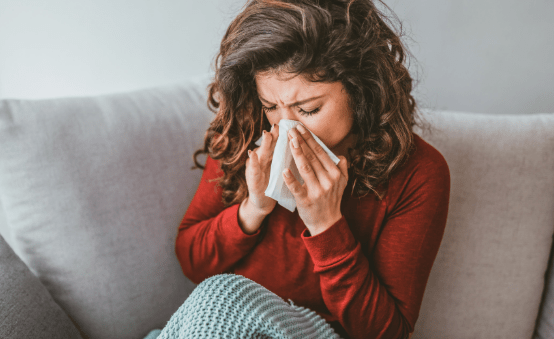
Flu Season has a way of sneaking up on us. One day, you’re enjoying crisp mornings and warm drinks, and the next, you’re dealing with coughs, fevers, and body aches that leave you drained. At NovaHealth Urgent Care, we understand how challenging this time of year can be for families, and that’s why we’re here to help you through it.

During Flu Season, knowing where to turn for quick, reliable care can make all the difference. Emergency rooms are often overcrowded, and scheduling a primary care appointment may take days. That’s where urgent care steps in. We provide immediate medical attention without the long waits, so you can start feeling better sooner. Whether it’s testing for the flu, managing symptoms, or ruling out other illnesses, our team is equipped to give you the answers and treatment you need.

Urgent care also plays a vital role in prevention. Many people don’t realize that the flu can lead to serious complications, especially for children, seniors, and those with chronic conditions. By visiting NovaHealth Urgent Care early, you not only receive treatment tailored to your needs but also reduce the risk of spreading the virus to your loved ones and community. Quick care means quicker recovery and greater peace of mind.

Another reason urgent care is essential during Flu Season is accessibility. We’re open extended hours, including evenings and weekends, because the flu doesn’t wait for a convenient time to strike. Our flexible hours ensure you’re not left struggling through the night or weekend without support.

Most importantly, we take a compassionate approach to every patient who walks through our doors. The flu can leave you feeling exhausted and vulnerable, and our goal is to provide comfort as much as care. At NovaHealth Urgent Care, you’re not just another patient—you’re part of our community, and we’re committed to helping you get back on your feet.

Flu Season is tough, but you don’t have to go through it alone. When symptoms hit, trust NovaHealth Urgent Care to provide the fast, professional, and heartfelt care you deserve.

This post was written by a professional at NovaHealth Urgent Care of Southfield. At NovaHealth Urgent Care of Southfield, our mission is to make patients feel valued and well cared for. We provide convenient, quality, and care for non-life-threatening illnesses and injuries. Our certified providers offer best-in-class 24 hour urgent care southfield mi in clean, modern facilities. Located at W 10 Mile Rd. & Beech Rd., we are open 365 days a year: Monday – Friday, 8:00 am – 9:00 pm, and weekends, 8:00 am – 6:00 pm. NovaHealth proudly serves Southfield City, Southfield, Farmington Hills, Franklin, Beverly Hills, Farmington, Detroit, and more. Whether you need treatment for a minor injury, illness, or routine health service, we are here to help. Connect with us today!

11 Options for Auto Accident Recovery

Being involved in an auto accident can be overwhelming, especially when dealing with injuries and the complex recovery process that follows. The path to healing often requires various professional services and specialized care that many people have never encountered before. Understanding what types of recovery services are available can help accident victims make informed decisions about their treatment and know where to turn for help. This comprehensive overview explores the different services that support recovery after an auto accident, from immediate medical care to long-term rehabilitation support.

Emergency Medical Services

The immediate response following an auto accident often begins with emergency medical services, which provide crucial stabilization and initial treatment. These services include ambulance transport, emergency room care, and trauma assessment that can make the difference between life and death. Emergency medical teams are trained to handle acute injuries such as broken bones, head trauma, and internal bleeding that commonly occur in vehicle collisions.

Physical Therapy Services

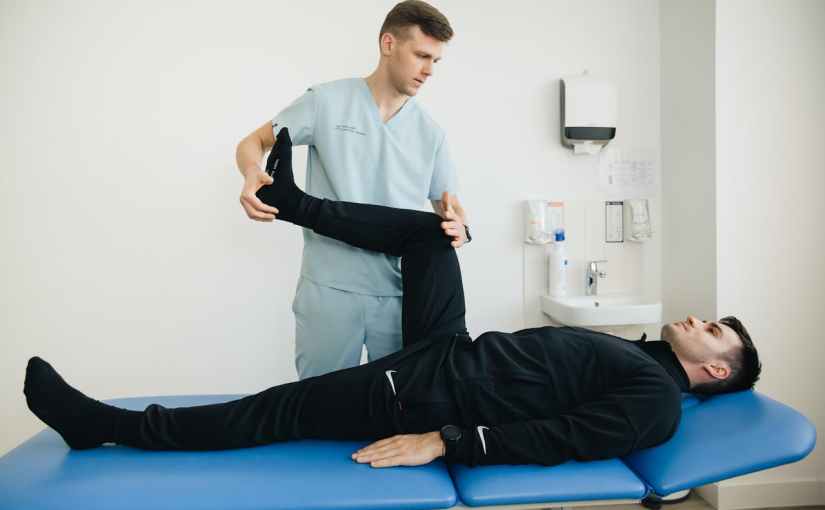
Physical therapy becomes essential for many accident victims who experience mobility issues, muscle weakness, or joint stiffness following their injuries. Licensed physical therapists work with patients to restore movement, reduce pain, and prevent long-term disability through targeted exercises and manual therapy techniques. Physical therapy sessions typically focus on rebuilding strength, improving flexibility, and teaching patients how to perform daily activities safely while their bodies heal.

Diagnostic Imaging Services

Accurate diagnosis of internal injuries often requires specialized imaging services that can reveal damage not visible during a standard physical examination. X-rays, MRI scans, CT scans, and ultrasounds help medical professionals identify fractures, soft tissue damage, and internal bleeding that may not present obvious symptoms initially. The detailed images provided by these services allow healthcare providers to develop appropriate treatment plans and monitor healing progress over time.

Mental Health Counseling Services

The psychological impact of auto accidents can be as significant as physical injuries, often manifesting as anxiety, depression, or post-traumatic stress disorder. Mental health professionals specializing in trauma counseling provide therapeutic support to help accident victims process their experiences and develop coping strategies. Counseling sessions focus on addressing emotional responses to the accident, managing fear of driving, and rebuilding confidence in daily activities.

Car Accident Chiropractor Services

Specialized chiropractic care for auto accident victims focuses on treating musculoskeletal injuries that commonly result from the sudden impact forces experienced during collisions. Car accident chiropractors understand the specific injury patterns associated with whiplash, back strain, and joint dysfunction that often develop in the days or weeks following an accident. 

These practitioners can be found through referrals from primary care physicians, personal injury attorneys, or by searching for chiropractors who specifically advertise experience with auto accident cases. Many of these chiropractors can also provide a DOT certified exam for commercial drivers who need medical clearance to return to work after their accident recovery.

Legal Representation Services

Personal injury attorneys provide essential legal guidance for accident victims navigating insurance claims, medical bills, and potential lawsuits against at-fault parties. These legal professionals understand the complexities of auto accident cases and can help protect victims’ rights while pursuing fair compensation for their injuries and damages. Attorney services typically include case evaluation, insurance negotiation, evidence gathering, and court representation when settlements cannot be reached through negotiations.

Medical Rehabilitation Equipment

Specialized equipment designed for injury recovery becomes necessary when accident victims need assistance with mobility, pain management, or performing daily activities during their healing process. Medical rehabilitation equipment includes items such as mobility aids, therapeutic devices, and assistive technology that support recovery at home or in clinical settings.

These products can be obtained through medical equipment suppliers, such as APT Sports / Medical, that often work directly with insurance providers. The equipment serves to bridge the gap between hospital care and full recovery, allowing patients to maintain independence while their bodies heal.

Occupational Therapy Services

Occupational therapists help accident victims relearn essential daily living skills and adapt to any permanent limitations resulting from their injuries. These professionals focus on restoring the ability to perform work-related tasks, household activities, and personal care routines that may have been affected by the accident. The therapeutic approach emphasizes practical skill development and environmental modifications that enable patients to return to their previous level of functioning or adapt to new circumstances.

Pain Management Services

Specialized pain management becomes crucial for accident victims dealing with chronic discomfort that persists beyond the initial healing period. Pain management specialists use various approaches, including medication management, nerve blocks, and minimally invasive procedures to help patients achieve better quality of life. The comprehensive approach to pain management addresses both the physical discomfort and the emotional challenges that often accompany persistent pain conditions.

Home Healthcare Services

Professional healthcare delivered in the comfort of a patient’s home becomes valuable for accident victims who have difficulty traveling to medical appointments or need ongoing care during recovery. Home healthcare services include skilled nursing, physical therapy, occupational therapy, and personal care assistance provided by licensed professionals. The convenience of home-based care allows patients to receive professional treatment while maintaining familiar surroundings and family support systems.

Transportation Services

Specialized transportation becomes necessary for accident victims who cannot drive due to their injuries or those who need assistance getting to medical appointments and therapy sessions. Medical transportation services include ambulette services, wheelchair-accessible vehicles, and non-emergency medical transport that accommodate various mobility limitations. Reliable transportation removes barriers to receiving necessary medical care and allows accident victims to attend appointments consistently throughout their recovery process.

Recovery from an auto accident involves many different types of professional services and support systems that work together to help victims heal physically, emotionally, and financially. Each service plays a unique role in the recovery process, from emergency medical care that saves lives to specialized equipment that supports daily functioning at home.

Knowing about these various options helps accident victims understand what resources are available and where to find appropriate care for their specific needs. The key to successful recovery often lies in accessing the right combination of services at the right time, allowing individuals to rebuild their lives and regain their independence after a traumatic experience.

Tired of Quick Fixes That Don’t Last?

If you’ve ever felt like your chiropractic care was more of a quick pop-and-go than a true solution, you’re not alone. Many folks across St Petersburg, Clearwater, Gulfport, and Pinellas Park come to Neuroplasticity St Pete after trying traditional chiropractic care without lasting relief. That’s when they learn about something different—Upper Cervical Chiropractic.

So, what makes it different? And more importantly, why might it be exactly what your body’s been asking for?

The Atlas and Axis: Small Bones With a Big Job

Upper Cervical Chiropractic focuses on the top two bones in the neck—the atlas (C1) and axis (C2). These small but mighty bones protect the brainstem and are critical for proper nervous system function. When they’re even slightly misaligned, they can throw off your posture, cause nerve irritation, and contribute to issues like chronic pain, migraines, vertigo, fatigue, and more.

Gentle, Precise, and Backed by Technology

At Neuroplasticity St Pete, we use the Advanced Orthogonal technique, which is known for its precision and gentle touch. There’s no cracking, twisting, or forceful movements. Instead, we use detailed imaging (including CBCT scans) and advanced calculations to deliver highly targeted corrections that hold longer and encourage deep, lasting healing.

A Real Story From a Clearwater Patient

Here’s what one patient from Clearwater shared: “I had no idea something so subtle could make such a big difference. My headaches are gone, and I’m finally sleeping through the night.”

Holistic Healing That Works With Your Body

What makes this care especially powerful is how it fits into our holistic medicine approach. When your nervous system is working properly, everything else—from digestion to stress regulation—works better too. And when we combine Upper Cervical adjustments with acupuncture, light therapy, or BrainTAP, results can be even more profound.

Unlike traditional chiropractic that often focuses on symptom relief, Upper Cervical care at Neuroplasticity St Pete is about finding the root cause—and helping the body heal from the inside out.

Looking for Something That Finally Works?

So, if you’ve tried other treatments with little success, or you’re looking for something more gentle, more precise, and more neurologically focused, this might just be what you need.

Call (727) 202-6006 to schedule your consultation today and see how Upper Cervical Chiropractic could change everything.

This post was written by a professional at Neuroplasticity St Pete. At Neuroplasticity St Pete, we specialize in functional medicine, combining acupuncture and chiropractic care to help you achieve optimal health. As a leading acupuncture Clearwater FL, we begin with an in-depth intake, assessing your body, brain, pain, and goals to create a tailored plan. We utilize cutting-edge Upper Cervical Adjustments, Functional Neurology, and Chiropractic techniques to activate your brain’s healing potential. Unlike traditional medicine, we address root causes, not just symptoms. Our patient-centered, results-driven model empowers you to choose the best path for your wellness journey. Experience the future of healthcare—holistic, personalized, and transformative.

Investing in Health: Where to Spend Your Wellness Budget

When it comes to allocating funds for health and wellness, the options can feel overwhelming. Understanding the different categories of healthcare spending helps you make informed decisions about where your money will have the most meaningful impact. Some wellness expenses focus on immediate improvements, while others address long-term health concerns that require substantial commitment. The key lies in recognizing which services align with your current needs and future goals.

Preventive Healthcare and Routine Maintenance

Regular preventive care forms the foundation of long-term health management and often provides the best return on healthcare spending. Annual physical exams, dental cleanings, eye exams, and age-appropriate screenings can catch potential issues before they become serious and expensive problems. These services are typically covered by insurance plans, making them accessible through primary care physicians, dental offices, and optometry clinics. Preventive care also includes vaccinations, health screenings, and lifestyle counseling that can prevent chronic diseases and reduce future medical expenses.

Residential Eating Disorder Treatment Programs

Residential eating disorder treatment programs represent one of the most intensive forms of mental health care available. These facilities provide round-the-clock medical supervision, nutritional counseling, and therapeutic support for individuals with severe eating disorders. The treatment typically includes individual therapy, group sessions, family counseling, and medical monitoring to address both the psychological and physical aspects of the condition. You can find these services through specialized eating disorder treatment centers, like Center for Change, or by consulting with mental health professionals who can provide referrals to appropriate facilities.

Alternative and Complementary Therapies

Acupuncture, massage therapy, and chiropractic care represent alternative approaches to health that many people find beneficial for managing pain and stress. These treatments often require multiple sessions to achieve desired results and may require ongoing maintenance appointments. Many practitioners operate in private practice settings, while others work within integrative medicine centers that combine traditional and alternative approaches. Insurance coverage for these services varies widely, so it’s important to check with your provider about reimbursement options before beginning treatment.

Teeth Whitening Treatments

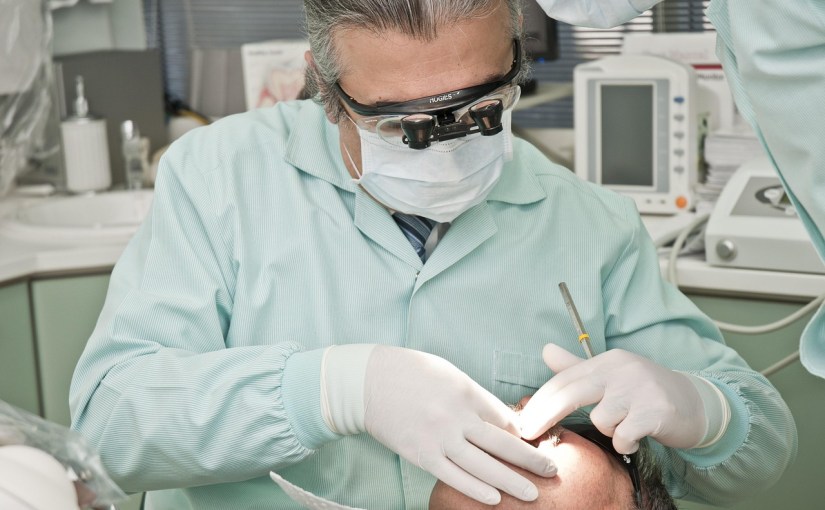
Teeth whitening procedures have become increasingly popular as people seek to improve their appearance and boost their confidence. Professional whitening treatments can be performed in dental offices, such as Salina Dental Arts, using stronger bleaching agents than over-the-counter products, providing more dramatic and longer-lasting results. The procedure typically involves applying a whitening gel to the teeth and may require multiple sessions depending on the desired level of brightness. You can receive professional teeth whitening services at general dentistry practices, cosmetic dental offices, or specialized whitening clinics that focus specifically on aesthetic dental treatments.

Fitness and Physical Wellness Services

Personal training, specialized fitness programs, and wellness coaching can provide structured approaches to improving physical health and establishing sustainable habits. These services range from one-on-one training sessions to group fitness classes and comprehensive wellness programs that include nutrition guidance and lifestyle coaching. You can find these services at gyms, fitness studios, wellness centers, and through independent fitness professionals who may offer services in various locations. The effectiveness of these programs often depends on consistency and finding an approach that matches your fitness level and personal preferences.

Technology-Enhanced Health Solutions

Modern healthcare increasingly incorporates technology-based solutions like telehealth consultations, health monitoring devices, and specialized apps for managing chronic conditions. These digital health tools can provide healthcare professionals with convenient access and help them track health metrics over time. Many of these services are offered through healthcare systems, specialized telemedicine companies, or as part of comprehensive wellness programs provided by employers or insurance companies. The convenience and accessibility of these technological solutions make them attractive options for people with busy schedules or limited access to traditional healthcare facilities.

Making thoughtful decisions about your wellness budget requires understanding the different types of health services available and how they align with your personal needs. Some expenses, like preventive care, provide long-term value by catching issues early, while others, like cosmetic procedures or alternative therapies, may improve quality of life in ways that traditional medicine doesn’t address. Specialized treatment programs represent significant financial commitments that can be life-changing for those who need intensive care. Remember that wellness spending isn’t one-size-fits-all, and what works best for you depends on your current health status, financial situation, and personal priorities.

Finding Help Mental Health and Addiction Resources Near You

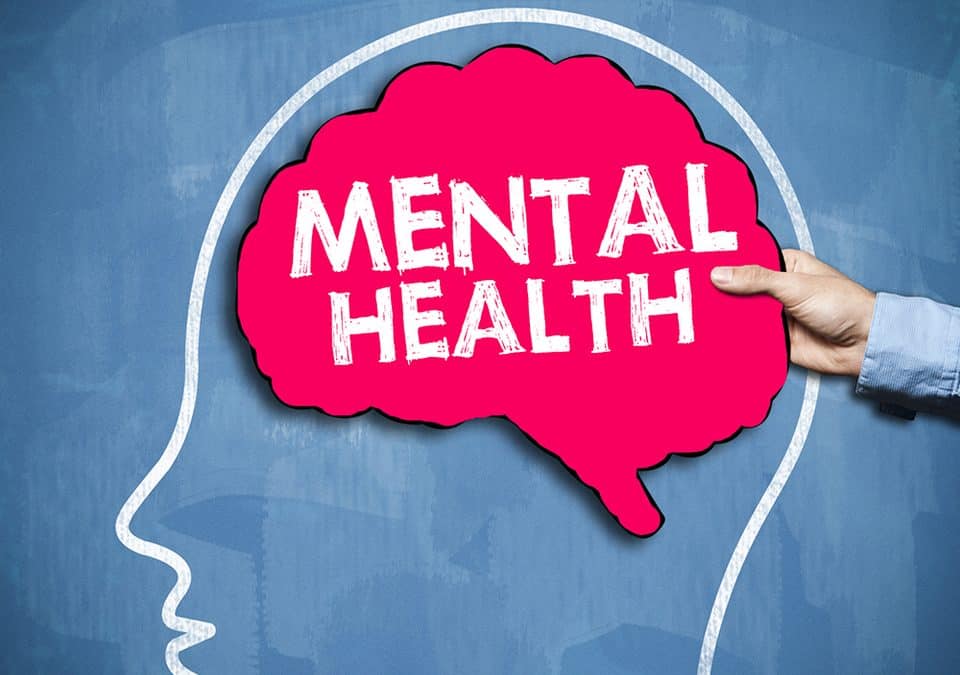
Accessing mental health and addiction support services can often seem overwhelming, particularly for those seeking specific programs that cater to unique needs. Understanding the types of support available and how they address diverse requirements can empower individuals to make informed decisions. This article provides an overview of what to expect from different support services, and highlights their importance for mental and emotional well-being.

The Importance of Specialized Support Services 

Specialized mental health and addiction services are designed to address specific challenges individuals may face, providing tailored care that recognizes unique circumstances. These services offer a supportive environment where individuals feel understood, respected, and cared for. From programs for individuals dealing with substance use challenges to those addressing long-term mental health conditions, specialized support acknowledges that each person’s experience is deeply personal. Receiving targeted assistance can lead to more effective outcomes and foster a sense of safety and acceptance.

Exploring Services for Youth Mental Health 

Youth mental health services focus on the unique needs young individuals face as they grow and develop. These services often address concerns related to education, family dynamics, and social pressures that can affect emotional well-being. Schools sometimes collaborate with mental health professionals to provide on-site counseling and crisis support. Virtual options are also increasingly available, ensuring accessible care for those who may face barriers to in-person visits. Creating a strong foundation for mental health at an early age helps young people thrive emotionally, socially, and academically.

Understanding LGBTQ+ Friendly Mental Health Services 

For members of the LGBTQ+ community, finding mental health services that prioritize inclusivity is important. LGBTQ Support Therapy programs often have staff trained to address challenges unique to LGBTQ+ individuals, creating an environment of openness and trust. Many community health centers, LGBTQ+ resource organizations, and online platforms provide access to these inclusive services. They focus on identity acceptance, discrimination, and familial challenges, while offering group support and culturally competent therapy. Accessing LGBTQ Support Therapy can play a pivotal role in achieving emotional well-being within a supportive space.

Understanding Eating Disorder Treatment Programs 

Support programs for eating disorders are designed to help individuals regain control over their physical and mental health. These services often include medical care, nutritional counseling, and psychological therapy to address underlying triggers for disordered eating habits. Residential and outpatient options are generally available, depending on the level of support needed. Programs focus on promoting a healthy relationship with food, while addressing core emotional concerns about self-image and control. With expert guidance, individuals can work towards restoring both physical health and emotional balance.

Accessing Alcohol Rehab Programs 

Alcohol rehab programs provide structured support for addressing alcohol dependence, typically including detoxification, counseling, and aftercare, to support holistic recovery. These programs often incorporate individual and group counseling to help individuals identify triggers, develop coping strategies, and implement lasting changes. Many also emphasize peer support, offering participants motivation and understanding from others with similar experiences. Rehab services can be accessed through dedicated rehab centers, like Foundations Wellness, with options available for both inpatient and outpatient care.

Partnering with Community Support Groups 

Community support groups are invaluable resources for individuals seeking solidarity and shared experiences. These groups provide a platform for participants to vocalize their challenges in a safe, nonjudgmental environment. Facilitated by trained professionals or peers, they often focus on specific themes, such as addiction recovery, coping with loss, or managing chronic mental health conditions. Group settings encourage practical advice, while fostering understanding and peer connection. Being part of a support group can reduce feelings of isolation and provide a sense of belonging for individuals navigating complex emotions.

Finding mental health and addiction support services tailored to your needs can significantly impact personal well-being. Whether it is an alcohol recovery program, LGBTQ+ friendly mental health support, or youth-centered resources, there are many options available to address varying needs. Seeking out programs that resonate with individual experiences helps pave the way for more effective and compassionate care.

The Intersection of Mental Health and Hormones

Grasping the complex interplay between hormones and mental health is essential for achieving overall well-being. Hormones, serving as the body’s chemical messengers, play a crucial role in regulating mood, cognition, and emotional stability. When these hormones become imbalanced, they can profoundly affect mental health, potentially leading to conditions such as depression, anxiety, and mood swings. By examining how hormonal fluctuations influence mental well-being and adopting targeted strategies, we can strive for improved mental health outcomes.

Hormonal Imbalances and Mental Health

Hormonal fluctuations can occur due to various life stages and conditions, including puberty, pregnancy, menopause, and thyroid disorders. These changes can alter brain chemistry and lead to emotional and psychological symptoms. For instance, the drop in estrogen during menopause is often linked with mood disturbances and an increased risk of depression. Similarly, thyroid hormone imbalances can manifest as anxiety or depression, affecting overall mental health.

Strategies for Managing Hormonal and Mental Health

To effectively manage the intersection between hormones and mental health, a comprehensive approach is essential. This includes lifestyle modifications, dietary adjustments, and medical interventions tailored to individual needs.

  • Lifestyle Modifications: Regular physical activity and stress reduction techniques like yoga and meditation can help stabilize hormonal levels and improve mental health. Adequate sleep is also crucial, as it supports hormonal balance and cognitive function.
  • Nutritional Support: A balanced diet rich in omega-3 fatty acids, vitamins, and minerals can support hormonal health. Foods like fatty fish, leafy greens, and nuts can aid in reducing inflammation and supporting mental well-being.
  • Medical Treatments: For some, medical interventions may be necessary. Consulting with healthcare providers to assess hormone levels and determine appropriate treatments is vital for managing symptoms effectively.

The Role of Hormone Replacement Therapy in Mental Health

Hormone Replacement Therapy (HRT) can be a valuable component in managing mental health issues associated with hormonal changes. HRT involves supplementing the body with hormones like estrogen or progesterone, which can help alleviate mood swings, anxiety, and depression related to hormonal imbalances.

Benefits and Considerations

HRT has been shown to improve mood and cognitive function in people experiencing hormonal deficiencies. It can be particularly beneficial for those undergoing menopause or dealing with conditions that affect hormone production. By stabilizing hormone levels, hormone replacement therapy may enhance overall mood stability and promote a sense of well-being.

However, it’s essential to consider potential side effects and risks associated with it. A thorough evaluation by a healthcare professional is necessary to determine if HRT is appropriate. Factors such as age, medical history, and individual health goals should guide the decision-making process.

Integrating HRT into a Broader Mental Health Plan

Incorporating HRT into a holistic mental health treatment plan requires collaboration between healthcare providers, including endocrinologists and mental health professionals. This integrated approach ensures that both hormonal and psychological factors are addressed, leading to more effective management of symptoms.

Regular monitoring and adjustments to the therapy, based on individual responses, are crucial for achieving optimal results. Open communication with healthcare providers helps tailor the treatment to meet specific needs, fostering better mental health outcomes.

The interplay between hormones and mental health is complex, yet understanding and addressing this relationship can lead to significant improvements in well-being. By adopting a comprehensive approach that includes lifestyle changes, nutritional support, and medical treatments like HRT, we can navigate the challenges of hormonal imbalances and work towards achieving better mental health outcomes.