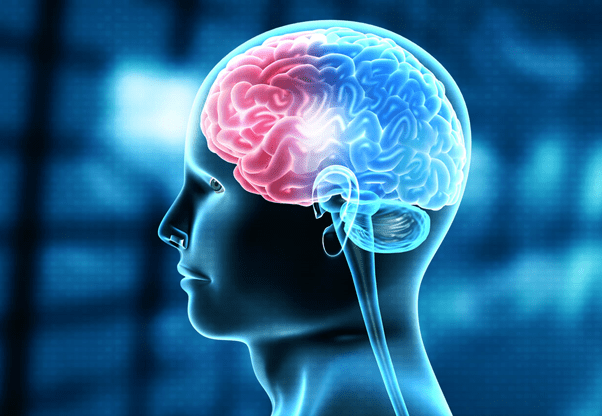
Mental Health Issues Caused by Traumatic Brain Injury

Traumatic brain injuries (TBIs) are among the most serious types of injuries you might suffer in a fall, motor vehicle accident, assault, or while playing sports. While injuries such as broken bones can heal and allow you to fully recover, a moderate to severe TBI can have lifelong effects. Even mild TBIs, which are commonly known as concussions, can have more of an impact than previously thought. In addition to physical disabilities that can result from a TBI, brain injuries are also linked with multiple mental health conditions. Here’s some information about traumatic brain injuries and the mental health conditions they are associated with.

Relationship Between TBIs and Mental Health Conditions


The National Institutes of Health (NIH) reports that 21.2% of people who suffer mild traumatic brain injuries or concussions develop mental health symptoms within six months of their injuries. This makes it important for people who suffer concussions to receive follow-up care to address their symptoms.

Among those who suffer moderate to severe TBIs, the prevalence of mental health disorders is even higher. A 2021 epidemiological study published in the journal Biological Psychiatry reported that 62% of Australian individuals who suffered moderate to severe TBIs developed diagnosed mental health disorders within 12 months of their injuries.

Why Might TBIs Lead to Mental Health Conditions?


Your brain is primarily responsible for how you think, feel, and behave. When it is damaged because of a TBI, it might not return to its previous functioning level. An injured brain experiences physiological changes. For example, mild TBIs can disrupt the interactions between nerve cells and the blood vessels that supply them with nutrients, which is called neurovascular coupling. A disruption to your brain’s neurovascular coupling can cause the affected areas of your brain not to work as they should. While the surrounding areas of your brain might try to assume the lost work, they can’t do so effectively, even without structural damage. With moderate to severe TBIs, structural damage can occur, impacting your ability to think and feel and affecting your behavior. Changes to your brain caused by a TBI can result in mental health symptoms.

Because of the damage to the brain, a TBI can cause mental health disorders and emotional symptoms that may be temporary or chronic. Mental health symptoms and emotional issues after a TBI can occur both because of the dysfunction in the brain and your body’s natural response to trauma.

Common Mental Health Disorders Linked to TBIs


TBIs are associated with a higher prevalence of mental health disorders. The most commonly occurring mental health conditions and psychological disturbances following TBIs are discussed below.

Depression


Among people who suffer TBIs, 27% meet the criteria for major depression or mild depression (dysthymia). Another 38% suffer from depression symptoms that interfere with their ability to enjoy daily life.

Depression associated with TBIs can result from the individual’s emotional reaction to experiencing the injury, their circumstances following the injury, or physical brain damage. Some common depression symptoms people might experience after a TBI include the following:

  • Social isolation
  • Reduced productivity
  • Loss of appetite
  • Trouble concentrating
  • Feelings of guilt
  • Feelings of despair
  • Feelings of hopelessness
  • Low self-esteem
  • Suicidal ideation

Anxiety Disorder


Many people who’ve suffered TBIs develop anxiety disorders. Similar to depression and PTSD, anxiety disorders following a TBI might not show up for a few months. Some of the common anxiety symptoms suffered by those with TBIs include the following:

  • Tachycardia
  • Increased respirations
  • Trembling
  • Excessive sweating
  • Shortness of breath
  • Extreme, irrational fear and worry
  • Social isolation
  • Difficulty concentrating

Post-Traumatic Stress Disorder


People who suffer TBIs are more likely to develop post-traumatic stress disorder (PTSD) than those who suffer other types of physical injuries. While people can suffer PTSD following any injury, it is more common to develop this condition following a TBI.

Common PTSD symptoms that you might experience following a TBI include the following:

  • Intrusive thoughts
  • Avoidance of triggering situations
  • Negative mood changes
  • Negative thoughts
  • Changes in reactivity


PTSD can show up as acute stress disorder, in which you might experience the symptoms temporarily, or it can last for months or longer. You might also experience sudden symptoms or a delayed onset.

Emotional Dysregulation


When a TBI damages the regions of the brain that control emotional regulation and behavior, you might experience trouble regulating your emotions and mood swings. Emotional dysregulation and mood swings can cause the following symptoms:

  • Experiencing emotions intensely
  • Sudden crying or laughing without an identified cause
  • Lack of emotional insight or awareness
  • Sudden, sharp mood changes
  • Difficulty controlling emotions and reactions to them
  • Inappropriate emotional reactions

Insomnia


Insomnia is very common among those who have suffered TBIs.
Insomnia is a common occurrence in people who have suffered from a traumatic brain injury. One study found that 43% of those who suffered TBIs experienced insomnia within two weeks of their injury, and 27.8% experienced insomnia one year later. This is important because up to 50% of cases involving insomnia are linked to comorbid mental health conditions, including depression, stress, and anxiety.

Aggression and Irritability


Aggressive behavior and irritability are very common in people who have suffered TBIs.
Fortunately, many people who exhibit aggressive behavior after a TBI are verbally rather than physically aggressive. This is closely related to emotional dysregulation because of damage to the brain.

Executive Function and Cognitive Problems


Many people with TBIs experience cognitive problems following their injuries. These impairments can include difficulty with executive functioning, memory problems, trouble performing tasks, inattentiveness, trouble perceiving, and language difficulties. Cognitive problems following TBIs are caused by structural damage to the areas of the brain responsible for thinking, problem-solving, language, task performance, memory, and decision-making.

Dealing with Mental Health Problems Following a TBI


Traumatic brain injuries can cause multiple mental health problems, including some diagnosable mental health disorders. If you are experiencing psychological disturbances following a TBI, you should seek help from a licensed mental health professional. Make sure you also continue to follow your medical doctor’s treatment plan.

Regardless of what caused your TBI, your brain injury can have longlasting repercussions that require attention. If you experienced a blow to the head recently and haven’t seen a doctor, you should seek care immediately to prevent additional damage from occurring. Damage from a TBI can spread and worsen your prognosis and the symptoms you experience.

You shouldn’t overlook mental health care if you’re experiencing mental health symptoms. It is just as important as physical medical care for your other TBI symptoms. Getting treatment for all of your symptoms and related conditions is important for aiding your recovery.

Following your treatment plan and getting help with psychological symptoms might help you to increase your independence and quality of life. If you suffered your TBI and resulting conditions in an accident someone else caused, you might also want to speak with an experienced brain injury lawyer to understand your legal options and recovery rights. Treatment for a moderate to severe TBI can be costly, and an experienced attorney might help you recover compensation for the losses you have suffered while you work on recovering from your injury.
Finding Help Mental Health and Addiction Resources Near You

Accessing mental health and addiction support services can often seem overwhelming, particularly for those seeking specific programs that cater to unique needs. Understanding the types of support available and how they address diverse requirements can empower individuals to make informed decisions. This article provides an overview of what to expect from different support services, and highlights their importance for mental and emotional well-being.

The Importance of Specialized Support Services 

Specialized mental health and addiction services are designed to address specific challenges individuals may face, providing tailored care that recognizes unique circumstances. These services offer a supportive environment where individuals feel understood, respected, and cared for. From programs for individuals dealing with substance use challenges to those addressing long-term mental health conditions, specialized support acknowledges that each person’s experience is deeply personal. Receiving targeted assistance can lead to more effective outcomes and foster a sense of safety and acceptance.

Exploring Services for Youth Mental Health 

Youth mental health services focus on the unique needs young individuals face as they grow and develop. These services often address concerns related to education, family dynamics, and social pressures that can affect emotional well-being. Schools sometimes collaborate with mental health professionals to provide on-site counseling and crisis support. Virtual options are also increasingly available, ensuring accessible care for those who may face barriers to in-person visits. Creating a strong foundation for mental health at an early age helps young people thrive emotionally, socially, and academically.

Understanding LGBTQ+ Friendly Mental Health Services 

For members of the LGBTQ+ community, finding mental health services that prioritize inclusivity is important. LGBTQ Support Therapy programs often have staff trained to address challenges unique to LGBTQ+ individuals, creating an environment of openness and trust. Many community health centers, LGBTQ+ resource organizations, and online platforms provide access to these inclusive services. They focus on identity acceptance, discrimination, and familial challenges, while offering group support and culturally competent therapy. Accessing LGBTQ Support Therapy can play a pivotal role in achieving emotional well-being within a supportive space.

Understanding Eating Disorder Treatment Programs 

Support programs for eating disorders are designed to help individuals regain control over their physical and mental health. These services often include medical care, nutritional counseling, and psychological therapy to address underlying triggers for disordered eating habits. Residential and outpatient options are generally available, depending on the level of support needed. Programs focus on promoting a healthy relationship with food, while addressing core emotional concerns about self-image and control. With expert guidance, individuals can work towards restoring both physical health and emotional balance.

Accessing Alcohol Rehab Programs 

Alcohol rehab programs provide structured support for addressing alcohol dependence, typically including detoxification, counseling, and aftercare, to support holistic recovery. These programs often incorporate individual and group counseling to help individuals identify triggers, develop coping strategies, and implement lasting changes. Many also emphasize peer support, offering participants motivation and understanding from others with similar experiences. Rehab services can be accessed through dedicated rehab centers, like Foundations Wellness, with options available for both inpatient and outpatient care.

Partnering with Community Support Groups 

Community support groups are invaluable resources for individuals seeking solidarity and shared experiences. These groups provide a platform for participants to vocalize their challenges in a safe, nonjudgmental environment. Facilitated by trained professionals or peers, they often focus on specific themes, such as addiction recovery, coping with loss, or managing chronic mental health conditions. Group settings encourage practical advice, while fostering understanding and peer connection. Being part of a support group can reduce feelings of isolation and provide a sense of belonging for individuals navigating complex emotions.

Finding mental health and addiction support services tailored to your needs can significantly impact personal well-being. Whether it is an alcohol recovery program, LGBTQ+ friendly mental health support, or youth-centered resources, there are many options available to address varying needs. Seeking out programs that resonate with individual experiences helps pave the way for more effective and compassionate care.

The Intersection of Mental Health and Hormones

Grasping the complex interplay between hormones and mental health is essential for achieving overall well-being. Hormones, serving as the body’s chemical messengers, play a crucial role in regulating mood, cognition, and emotional stability. When these hormones become imbalanced, they can profoundly affect mental health, potentially leading to conditions such as depression, anxiety, and mood swings. By examining how hormonal fluctuations influence mental well-being and adopting targeted strategies, we can strive for improved mental health outcomes.

Hormonal Imbalances and Mental Health

Hormonal fluctuations can occur due to various life stages and conditions, including puberty, pregnancy, menopause, and thyroid disorders. These changes can alter brain chemistry and lead to emotional and psychological symptoms. For instance, the drop in estrogen during menopause is often linked with mood disturbances and an increased risk of depression. Similarly, thyroid hormone imbalances can manifest as anxiety or depression, affecting overall mental health.

Strategies for Managing Hormonal and Mental Health

To effectively manage the intersection between hormones and mental health, a comprehensive approach is essential. This includes lifestyle modifications, dietary adjustments, and medical interventions tailored to individual needs.

  • Lifestyle Modifications: Regular physical activity and stress reduction techniques like yoga and meditation can help stabilize hormonal levels and improve mental health. Adequate sleep is also crucial, as it supports hormonal balance and cognitive function.
  • Nutritional Support: A balanced diet rich in omega-3 fatty acids, vitamins, and minerals can support hormonal health. Foods like fatty fish, leafy greens, and nuts can aid in reducing inflammation and supporting mental well-being.
  • Medical Treatments: For some, medical interventions may be necessary. Consulting with healthcare providers to assess hormone levels and determine appropriate treatments is vital for managing symptoms effectively.

The Role of Hormone Replacement Therapy in Mental Health

Hormone Replacement Therapy (HRT) can be a valuable component in managing mental health issues associated with hormonal changes. HRT involves supplementing the body with hormones like estrogen or progesterone, which can help alleviate mood swings, anxiety, and depression related to hormonal imbalances.

Benefits and Considerations

HRT has been shown to improve mood and cognitive function in people experiencing hormonal deficiencies. It can be particularly beneficial for those undergoing menopause or dealing with conditions that affect hormone production. By stabilizing hormone levels, hormone replacement therapy may enhance overall mood stability and promote a sense of well-being.

However, it’s essential to consider potential side effects and risks associated with it. A thorough evaluation by a healthcare professional is necessary to determine if HRT is appropriate. Factors such as age, medical history, and individual health goals should guide the decision-making process.

Integrating HRT into a Broader Mental Health Plan

Incorporating HRT into a holistic mental health treatment plan requires collaboration between healthcare providers, including endocrinologists and mental health professionals. This integrated approach ensures that both hormonal and psychological factors are addressed, leading to more effective management of symptoms.

Regular monitoring and adjustments to the therapy, based on individual responses, are crucial for achieving optimal results. Open communication with healthcare providers helps tailor the treatment to meet specific needs, fostering better mental health outcomes.

The interplay between hormones and mental health is complex, yet understanding and addressing this relationship can lead to significant improvements in well-being. By adopting a comprehensive approach that includes lifestyle changes, nutritional support, and medical treatments like HRT, we can navigate the challenges of hormonal imbalances and work towards achieving better mental health outcomes.