
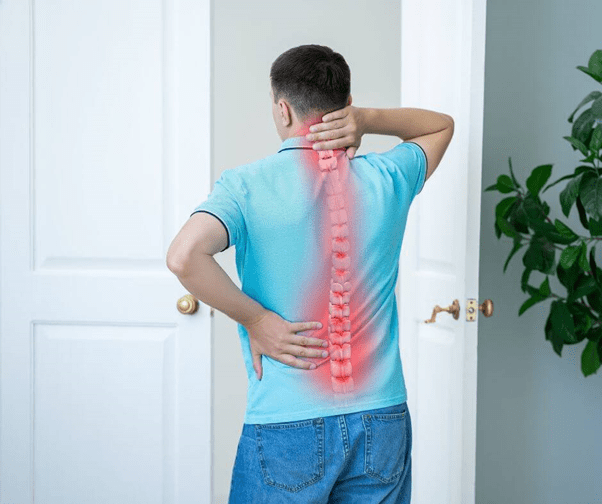
Spinal injuries are among the most devastating and life-altering injuries a person can experience. Whether caused by a motor vehicle collision, a serious fall, or another traumatic event, damage to the spine can affect nearly every aspect of daily life—mobility, independence, employment, mental health, and overall well-being. According to public health data, tens of thousands of Americans suffer new spinal injuries each year, many of which result in permanent impairment.
Understanding how spinal injuries occur, how they are diagnosed, and what long-term challenges victims may face is essential—not only for those who have been injured, but also for families, caregivers, and policymakers focused on prevention and recovery. This article explores the most common traumatic causes of spinal injuries, including car accidents and falls, the medical consequences of spinal trauma, and why these injuries often require lifelong management and support.
Understanding the Spine and Why It Is So Vulnerable
The spine, also known as the vertebral column, serves as the body’s central support structure. It allows us to stand upright, bend, twist, and move while protecting the spinal cord, which transmits signals between the brain and the rest of the body.
The spinal column is made up of:
- 33 vertebrae, divided into cervical (neck), thoracic (upper back), lumbar (lower back), sacral, and coccygeal regions
- Intervertebral discs, which act as shock absorbers
- Ligaments and muscles that provide stability and flexibility
- The spinal cord and nerve roots, responsible for sensory and motor function
Despite its strength, the spine is highly susceptible to injury during traumatic events. Sudden forces—such as rapid deceleration in a car crash or the impact from a fall—can overwhelm the spine’s natural protective mechanisms, leading to fractures, disc injuries, nerve damage, or spinal cord trauma.
Common Types of Traumatic Spinal Injuries
Spinal injuries vary widely in severity and long-term impact. Some individuals recover with minimal lasting effects, while others experience permanent disability.
Spinal Fractures
Spinal fractures occur when one or more vertebrae break due to excessive force. These injuries are common in high-energy trauma such as motor vehicle accidents or falls from height.
Types of spinal fractures include:
- Compression fractures, where the vertebra collapses
- Burst fractures, involving shattered vertebrae that may damage the spinal cord
- Flexion-distraction fractures, often seen in seatbelt-related car accidents
- Fracture-dislocations, which involve both bone fracture and joint displacement
Herniated and Ruptured Discs
Trauma can cause spinal discs to bulge, herniate, or rupture. When disc material presses on nearby nerves, it can lead to severe pain, weakness, numbness, or loss of function.
Spinal Cord Injuries (SCI)
The most severe spinal injuries involve damage to the spinal cord itself. These injuries are classified as:
- Complete injuries, resulting in total loss of function below the injury level
- Incomplete injuries, where some motor or sensory function remains
Spinal cord injuries can lead to paralysis (paraplegia or quadriplegia), respiratory complications, and loss of bladder or bowel control.
Soft Tissue and Ligament Injuries
Not all spinal injuries involve broken bones or nerve damage. Ligament tears, muscle strains, and joint injuries can still cause chronic pain and instability if left untreated.
Motor Vehicle Accidents: A Leading Cause of Spinal Trauma
Motor vehicle collisions are among the most common causes of traumatic spinal injuries in the United States. The combination of speed, force, and sudden impact makes the spine particularly vulnerable.
How Car Accidents Cause Spinal Injuries
During a crash, the body is subjected to violent forces that can bend, twist, or compress the spine beyond its normal range of motion. Common mechanisms include:
- Whiplash, caused by rapid back-and-forth neck movement
- Axial loading, where vertical force compresses the spine
- Hyperflexion and hyperextension, leading to ligament or disc damage
- Direct impact, such as contact with vehicle interiors
Even low-speed collisions can cause significant spinal injuries, especially when the occupant is unprepared for the impact.
High-Risk Vehicle Accident Scenarios
Certain types of crashes are particularly associated with spinal trauma:
- Rear-end collisions, often causing cervical spine injuries
- Side-impact crashes, which may lead to thoracic or lumbar injuries
- Rollover accidents, frequently resulting in severe spinal fractures
- Motorcycle accidents, where riders lack structural protection
Seatbelt use significantly reduces the risk of fatal injury, but improper seatbelt positioning can contribute to specific spinal fracture patterns.
Falls: A Major and Often Overlooked Cause of Spinal Injury
Falls are another leading cause of traumatic spinal injuries, particularly among older adults, construction workers, and individuals in physically demanding occupations.
Common Fall-Related Scenarios
Spinal injuries from falls can occur in many settings, including:
- Slips and falls on wet or uneven surfaces
- Falls from ladders, scaffolding, or rooftops
- Stairway falls
- Falls in nursing homes or assisted living facilities
Falls from even moderate heights can result in serious spinal damage, especially when the person lands on their back, neck, or tailbone.
Increased Risk Among Older Adults
As people age, factors such as reduced bone density, balance issues, and slower reaction times increase the likelihood of falls and spinal fractures. Compression fractures of the spine are particularly common in older adults and may initially go undiagnosed.
Symptoms of Traumatic Spinal Injuries
Symptoms of spinal injuries vary depending on the location and severity of the damage. Some symptoms appear immediately, while others may develop over time.
Common Warning Signs
- Severe back or neck pain
- Loss of sensation or numbness
- Muscle weakness or paralysis
- Difficulty walking or maintaining balance
- Tingling or burning sensations
- Loss of bladder or bowel control
Any suspected spinal injury should be treated as a medical emergency. Prompt diagnosis and stabilization are critical to preventing further damage.
Diagnosis and Medical Evaluation
Diagnosing spinal injuries typically involves a combination of physical examination and imaging studies.
Diagnostic Tools
- X-rays to detect fractures
- CT scans for detailed bone imaging
- MRI scans to evaluate soft tissue, discs, and spinal cord damage
- Neurological exams to assess motor and sensory function
Early and accurate diagnosis allows medical providers to determine the most appropriate course of treatment.
Treatment Options for Spinal Injuries
Treatment depends on the type and severity of the injury, as well as the patient’s overall health.
Non-Surgical Treatment
- Immobilization with braces or collars
- Physical therapy and rehabilitation
- Pain management
- Anti-inflammatory or nerve-targeting medications
Surgical Intervention
Surgery may be required to stabilize the spine, relieve pressure on nerves, or repair damaged structures. Procedures may involve:
- Spinal fusion
- Decompression surgery
- Internal fixation with rods, screws, or plates
Long-Term Impact and Life After a Spinal Injury
For many individuals, spinal injuries result in long-term or permanent challenges. Recovery often requires months or years of rehabilitation, and some limitations may be lifelong.
Physical Challenges
- Chronic pain
- Reduced mobility
- Muscle spasticity
- Secondary health complications
Emotional and Psychological Effects
Spinal injuries can also take a toll on mental health. Depression, anxiety, and post-traumatic stress are common, particularly when injuries result in permanent disability.
Financial and Social Consequences
The costs associated with spinal injuries can be overwhelming, including medical bills, rehabilitation expenses, assistive devices, and lost income. Many individuals require ongoing care or modifications to their homes and vehicles.
Prevention and Safety Measures
While not all spinal injuries are preventable, certain steps can significantly reduce risk:
- Wearing seatbelts and using proper child restraints
- Avoiding distracted or impaired driving
- Using fall protection equipment in high-risk workplaces
- Improving home safety to reduce fall hazards
- Maintaining strength and balance through exercise
Public awareness and injury-prevention initiatives play a crucial role in reducing the incidence of traumatic spinal injuries.
Navigating Recovery and Legal Considerations After Traumatic Spinal Injuries
When spinal injuries are caused by preventable accidents—such as negligent driving or unsafe property conditions—injured individuals may face complex legal and financial challenges alongside their medical recovery. Understanding one’s rights and options can be an important part of the overall healing process.
Many people turn to experienced injury-advocacy resources, such as spinal injury legal guidance, to better understand how medical care, rehabilitation needs, and long-term support may be addressed following serious trauma.
Conclusion
Spinal injuries caused by traumatic accidents, including motor vehicle collisions and falls, represent a significant public health concern with far-reaching consequences. These injuries can alter the course of a person’s life in an instant, affecting physical health, emotional well-being, and financial stability.
By understanding how spinal injuries occur, recognizing early symptoms, and emphasizing prevention and timely medical care, individuals and communities can work toward reducing the impact of these devastating injuries. For those already affected, comprehensive treatment, rehabilitation, and support are essential to maximizing recovery and quality of life.









 USA Today Health Blog