Adulting and Healthy Eating for Better Energy and Well-Being

Growing up often feels like a series of milestones that we are expected to navigate without a manual. First, we finish school, then we look for work, pay bills, manage responsibilities, and eventually figure out how to take care of our bodies in the process. For many, the early years of adulthood become a whirlwind of deadlines, budget planning, social obligations, and attempts to maintain some sense of balance.

Somewhere between coffee-fueled mornings and microwave dinners lies a universal realization: adulting is not just about independence; it is also about making choices that sustain us physically, mentally, and emotionally. Healthy eating becomes one of the most essential habits to learn, not because it is trendy, but because it is a cornerstone of well-being.

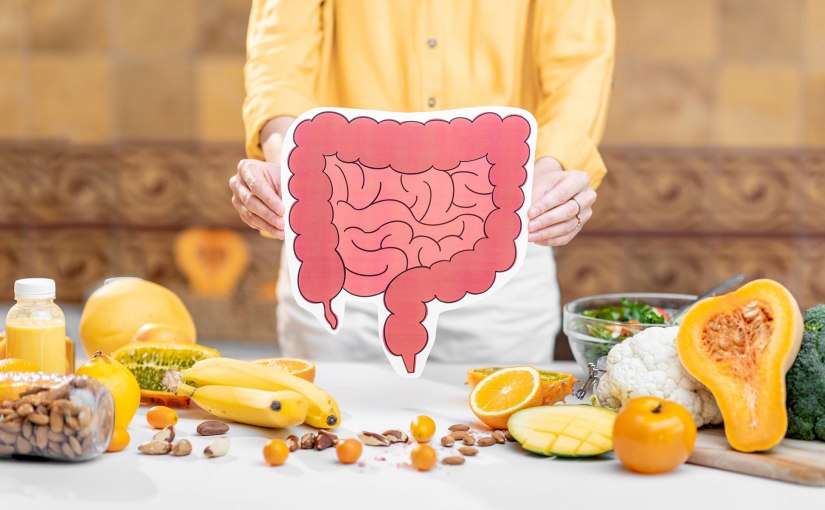
Healthy eating in adulthood is less about strict diets and perfection and more about developing awareness and consistency. Once we leave childhood and adolescence, nobody prepares meals for us, reminds us to drink water, or warns us when we skip vegetables for a week. Meals become intentional decisions rather than something automatically handed to us.

Adulthood quietly introduces responsibility in a new form: taking care of our bodies the way we take care of our work and finances. Eventually, we learn that mastering healthy eating is not optional. It influences energy levels, productivity, mental clarity, emotional stability, and long-term health outcomes that shape the quality of life we build moving forward.

Healthy Eating Supports Energy and Productivity

The earliest sign that good nutrition matters often appears at work or during busy days. Many adults notice that skipping breakfast, relying on fast food, or consuming mostly processed meals leads to sluggish mornings and energy crashes in the afternoon.

When responsibilities pile up, it becomes tempting to grab whatever is convenient. Yet convenience does not always align with nourishment. Food is fuel, and the type of fuel we choose impacts how the body functions throughout the day.

A balanced meal rich in whole ingredients, fiber, protein, and healthy fats provides sustaining energy. Instead of roller-coaster blood sugar spikes, the body gains steady fuel that helps maintain focus and performance. Even small adjustments, such as trading sugary snacks for fruit or incorporating vegetables into dinner, can improve concentration and reduce fatigue.

Adulting becomes smoother not because tasks get easier but because the body receives what it needs to support them. Good eating habits act like quiet reinforcements that keep the mind alert and the body capable of showing up consistently.

Eventually, healthy eating stops feeling like a rule and starts functioning as a personal advantage. That morning piece of fruit, that glass of water before bed, or that home-cooked meal after work becomes self-care disguised as routine. Cooking for ourselves involves more than just following a recipe. We tell our future selves, “I care about how you feel tomorrow.

Healthy Eating Strengthens Long-Term Health

Many adults reach a point where they begin thinking about long-term health rather than short-term pleasure. This shift usually starts when we notice metabolism slowing, stress increasing, or minor health issues appearing more frequently than before.

In youth, we may recover quickly from poor eating habits, but adulthood exposes how the body changes over time. Maintaining a balanced diet is one of the most proactive ways to protect long-term well-being.

Nutritious food supports heart health, bone strength, hormone regulation, immune function, and healthy aging. Choosing whole foods over heavily processed alternatives reduces unnecessary sugar, artificial additives, and unhealthy fats. Slowly, these decisions stack up.

The meals we consume today influence how we feel a decade from now. When adulting becomes overwhelming, it is grounding to remember that long-term wellness does not come from grand gestures but from everyday choices that accumulate gently and consistently.

Healthy Eating Encourages Mindful Consumption

Part of adulting is learning to make conscious choices rather than acting on impulse. Food teaches this lesson well. When we shop for groceries, prepare meals, or read nutrition labels, we exercise awareness.

We notice ingredients, portion sizes, and the difference between eating for hunger versus stress or convenience. Mindfulness around food is not about restriction but about understanding what nourishes us and how certain ingredients affect mood, digestion, or energy.

As adults, we often discover emotional eating tendencies rooted in stress, boredom, or fatigue. This is normal, and many people experience it. However, with practice, mindful habits can reduce unnecessary binges and help build a healthier relationship with food.

Recognizing hunger cues, pausing before snacking, or choosing nutrient-dense alternatives gradually strengthens self-discipline. Eventually, food becomes a tool for nourishment rather than a coping mechanism. Adulting becomes less stressful when we learn to support ourselves instead of working against our bodies.

Healthy Eating Involves Smart Alternatives and Moderation

Modern food landscapes are filled with convenient but heavily sweetened products. While sugar is not inherently harmful when consumed mindfully, excessive sugar intake can contribute to weight gain, inflammation, and unstable energy.

Many adults begin exploring healthier substitutions as part of everyday eating. In the middle of the journey, some consider options such as Golden Choice sugar-free products to reduce sugar intake without completely sacrificing sweetness. Although alternatives should still be consumed in moderation, experimenting with them can be part of a balanced approach to healthy eating.

The goal is not to eliminate pleasure from food but to widen the options. There are moments when we crave something sweet, and choosing lower-sugar alternatives can help manage cravings while maintaining mindful control. This phase of adulting is not about banning food groups; instead, it is about understanding the body, making adjustments, and discovering what works realistically for our lifestyle. Progress is built step by step through flexible choices.

Healthy Eating Plays a Role in Recovery and Emotional Stability

Adulthood introduces stress, burnout, and pressure in various forms. From career transitions to financial responsibilities, emotional turbulence is common. During difficult periods, the body often reflects emotional strain through poor sleep, fatigue, or weight fluctuations.

Nourishing meals restore balance physically and mentally. Nutritious ingredients support neurotransmitter function, helping regulate mood and reduce anxiety. Balanced meals stabilize blood sugar, preventing irritability and emotional crashes.

There are cases where people rebuilding their lives, especially individuals healing from addiction, find nutrition especially valuable. Facilities such as Foundations Wellness highlight the importance of proper meals in long-term healing.

Food becomes more than fuel; it becomes part of recovery, providing the body with vitamins, minerals, and essential nutrients it lost during periods of neglect. Healthy eating creates stability during times of transition and reinforces positive coping skills that replace harmful habits.

When adults integrate nutrition into emotional well-being, they experience clearer thinking, regulated moods, and the strength to face challenges with more resilience. Emotional wellness and physical nourishment work together, and one reinforces the other.

Healthy Eating Thrives With Guidance and Habit-Building

No one enters adulthood with perfect nutritional knowledge. Learning is a process filled with trial, error, and self-discovery. Some people research recipes and learn through experimentation, while others seek educational resources to understand what their bodies need.

Nutrition guidance through platforms like Plan 7 Coaching offers insights into balanced meal planning, portion control, and habit formation. Guidance does not impose strict rules; it simply helps individuals establish routines that align with personal goals.

Habits make healthy eating sustainable. When grocery planning becomes routine and cooking becomes familiar, nutrition no longer feels like a burden. Over time, taste preferences can evolve. People who once relied heavily on fast food may begin craving colorful salads, home-cooked soups, or fresh smoothies. Every meal becomes a quiet victory, not because it is perfect, but because it supports a healthier life.

Healthy Eating Improves Quality of Life Beyond the Plate

The impact of food extends far beyond the kitchen. Adults who nourish themselves consistently tend to sleep better, experience fewer achy mornings, and maintain stable energy throughout the day. Motivation to exercise increases. Skin and hair may improve. The mind becomes clearer, focus sharpens, and emotional responses stabilize. Slowly, healthy eating transforms daily living, influencing relationships, productivity, and self-esteem.

Healthy eating also aligns with financial maturity. Cooking at home saves money compared to frequent takeout. Buying whole foods reduces the cost of packaged snacks. Planning meals prevents food waste. When adults learn to manage nutrition and finances together, they experience a sense of control that makes adulting less chaotic.

Eventually, healthy eating stops feeling like a task and becomes part of identity. It is a sign of self-respect to choose meals that help the body thrive. Adulthood is not defined by struggle; it is defined by the habits we build to navigate it with strength and intention.

Conclusion

Mastering healthy eating is not a rigid requirement of adulthood but a gift we give ourselves. It supports energy, improves mood, enhances productivity, and strengthens long-term health. The journey is gradual, and perfection is not the goal. Instead, consistency, mindfulness, and balance shape the foundation of wellness.

Whether replacing sugary snacks with better alternatives, exploring resources for guidance, or rebuilding a relationship with food after hardship, every effort contributes to a healthier future.

Adulting means learning to take care of the body that carries us through life. When we choose nourishing meals today, we invest in a version of ourselves who will thank us years from now. Healthy eating is not merely about food; it is about building a lifestyle that sustains well-being, stability, and vitality.

As we move through adulthood, mastering nutrition becomes one of the most empowering skills we can develop—not to impress others, but to support our own journey toward a balanced and fulfilling life.

Preventive Medicine for the Future: Dr. Gregory Duhon, MD, on What Patients Need to know

Preventive medicine is a central part of modern healthcare, aimed at reducing risks before illness develops. With chronic diseases such as diabetes, heart disease, and cancer affecting millions, physicians are placing greater emphasis on prevention as an effective and impactful way to protect long-term health. Dr. Gregory Duhon, MD, explains how patients can benefit from screenings, vaccinations, and lifestyle changes that build resilience over time.

What is Preventive Medicine?

Preventive medicine aims to stave off diseases by promoting two key tools: a healthy lifestyle, which is focused on individual responsibility, and public health strategies like vaccinations and education campaigns, which are aimed at the population level. Over time, both the goals and methods have evolved, and today, preventive medicine is designed to provide people with tools that make it less likely for them to fall ill and empower them to live longer, healthier lives.

The Evolution of Preventive Medicine

Today’s goals for living longer, healthier lives are only possible due to preventative medicine’s earliest victories, which were rooted in public health measures. Vaccinations in the 18th and 19th centuries reduced the spread of deadly infections like smallpox and polio. Clean water systems, sanitation programs, and nutritional guidelines laid the groundwork for modern health standards. These early interventions showed that community-wide measures could save millions of lives and dramatically extend life expectancy.

Preventive Medicine In The Current Day

In the 21st century, prevention has become more individualized. Instead of a one-size-fits-all model, physicians now tailor recommendations based on personal risk factors such as genetics, lifestyle, and family history. There are routine screenings for blood pressure, cholesterol, and cancers; immunizations across the lifespan; and guidance on exercise, diet, and mental health.

Technology has also transformed how patients engage with prevention. Wearable devices track heart rhythms, sleep cycles, and physical activity, while electronic health records and telehealth visits make it easier to monitor trends and catch problems early.

The Future of Preventive Medicine

Looking ahead, preventive medicine is moving toward prediction and precision. Genetic testing is making it possible to identify risks at an even earlier stage, sometimes before symptoms appear. Instead of reacting to problems, physicians will increasingly use predictive analytics to design personalized prevention plans for each patient.

Future innovations may include home-based diagnostic tools, and AI-driven health coaches. Preventive medicine will become less about scheduled appointments and more about continuous monitoring and early intervention.

Lifestyle as Medicine

Daily habits have an equally strong role in prevention. A balanced diet, regular physical activity, stress management, and consistent sleep patterns influence cardiovascular health, metabolic stability, and mental clarity. These practices might seem like small actions, but they ultimately influence lasting health.

Practical Guidelines for Patients

Dr. Gregory Duhon, MD, highlights several key steps for preventive care:

  • Schedule annual medical exams to track long-term health trends.
  • Aim for at least 150 minutes of moderate activity each week.
  • Prioritize whole foods and limit processed products.
  • Manage stress through mindfulness, journaling, or light stretching.
  • Use technology thoughtfully to support healthy routines.

Long-Term Benefits of Prevention

Preventive medicine creates a foundation for healthier aging, fewer hospitalizations, and reduced healthcare costs. As Dr. Gregory Duhon notes, “Preventive medicine is an investment. Every small step patients take now compounds into stronger, healthier years ahead.” Across every stage, past, present, and future, the goal remains the same: to reduce suffering, improve quality of life, and extend the healthy years.

Meet Dr. Gregory Duhon, MD

Dr. Gregory Duhon is an Internal Medicine Physician and Hospitalist with experience in critical care and emergency medicine. He has volunteered in disaster relief efforts and supported communities impacted by the opioid crisis. Outside of medicine, Dr. Duhon is training for the Ironman, exploring cultures through travel, experimenting with gourmet cooking, and cultivating exotic passion fruit.

Signs You Need a Gut Health Analysis and How It Can Transform Your Health

The health of your gut is closely linked to your overall well-being. With increasing evidence supporting the gut’s crucial role in everything from digestion to immunity and even mental health, it’s no wonder that people are paying more attention to maintaining a healthy gut. If you’re experiencing symptoms such as fatigue, bloating, digestive discomfort, or even mood swings, a gut health analysis could be the key to unlocking answers and improving your health.

In this article, we will explore the signs that suggest you need a gut health analysis, the benefits of understanding your gut microbiome, and how this simple step can lead to a healthier, more balanced life.

What Is a Gut Health Analysis?

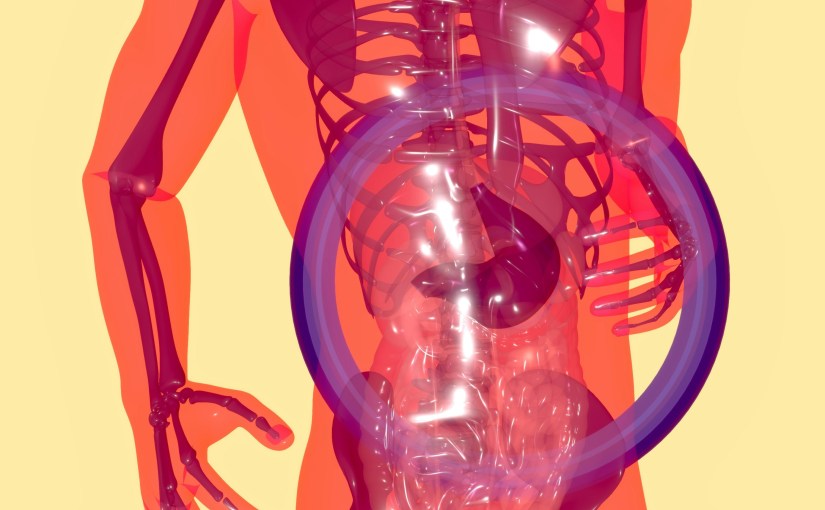
A gut health analysis involves testing the microbial composition of your gut, focusing on the diversity and balance of gut bacteria. The gut microbiome is home to trillions of microorganisms, including bacteria, fungi, viruses, and other microbes. These microbes play a significant role in your digestive health, immune function, and even mental health.

When the balance of your gut microbiome is disrupted, it can lead to various health issues, including digestive disorders, autoimmune conditions, and mood disturbances. A gut health analysis can help identify imbalances and offer valuable insights into how your gut impacts your overall health.

Signs You Need a Gut Health Analysis

1. Chronic Digestive Issues

Persistent digestive symptoms such as bloating, gas, constipation, diarrhea, or heartburn may indicate that your gut health is compromised. Imbalances in the gut microbiome can lead to digestive issues, including irritable bowel syndrome (IBS), acid reflux, or inflammatory bowel disease (IBD). If these symptoms persist despite dietary changes or medications, a gut health analysis could help determine the underlying cause.

2. Unexplained Fatigue or Low Energy

Feeling constantly tired or sluggish can be frustrating, especially if you’re eating well and getting adequate rest. However, poor gut health could be contributing to your fatigue. The gut is responsible for absorbing nutrients from the food you eat, and an imbalance in gut bacteria can impair nutrient absorption, leading to deficiencies in essential vitamins and minerals, like B12 or iron. A gut health analysis can help pinpoint if gut issues are contributing to your low energy levels.

3. Skin Problems (Acne, Eczema, Psoriasis)

Your skin is often referred to as the body’s largest organ, and it’s highly sensitive to what happens internally, including in your gut. If you’re experiencing skin issues like acne, eczema, or psoriasis, it could be a sign that your gut health is off balance. An unhealthy gut can lead to systemic inflammation, which is a known contributor to many skin conditions. Identifying and addressing gut imbalances through a health analysis may help improve your skin health.

4. Food Sensitivities or Intolerances

If you’ve developed food sensitivities or intolerances that weren’t previously present, it could indicate an imbalance in your gut microbiome. When the balance of good and bad bacteria in your gut is disrupted, it can impair your ability to digest certain foods properly. This can lead to uncomfortable symptoms such as bloating, gas, or diarrhea after eating specific foods. A gut health analysis can reveal whether imbalances in your gut are the cause of these sensitivities.

5. Frequent Infections or Illnesses

The gut plays a critical role in immune function. In fact, about 70% of your immune system resides in your gut. A disrupted gut microbiome can impair immune function, making you more susceptible to infections and illnesses. If you’re frequently getting sick or struggling with chronic infections, a gut health analysis can help assess your gut health and determine if it’s affecting your immune system.

6. Mood Swings, Anxiety, or Depression

Did you know that your gut health can influence your mood? It’s true. The gut-brain connection, also known as the “gut-brain axis,” is a direct link between the gut and the brain. Imbalances in gut bacteria can affect the production of neurotransmitters like serotonin, which is crucial for regulating mood. A disrupted gut microbiome may be contributing to feelings of anxiety, depression, or mood swings. A gut health analysis can help you understand if your gut is impacting your mental health.

7. Unexplained Weight Gain or Difficulty Losing Weight

If you’ve been struggling with weight gain or finding it difficult to lose weight, a gut imbalance may be a contributing factor. Research has shown that the composition of gut bacteria can affect how your body stores fat and regulates blood sugar levels. Some types of gut bacteria are linked to obesity and metabolic issues. A gut health analysis can help identify any imbalances that could be interfering with your ability to manage your weight.

8. Autoimmune Conditions

Autoimmune diseases occur when the immune system mistakenly attacks the body’s own tissues. An imbalance in the gut microbiome can contribute to the development of autoimmune conditions such as rheumatoid arthritis, lupus, and multiple sclerosis. In fact, a disrupted gut microbiome has been linked to a variety of autoimmune disorders. If you have an autoimmune condition or a family history of autoimmune diseases, a gut health analysis could provide valuable insight into how your gut health is impacting your immune system.

How a Gut Health Analysis Can Transform Your Health

Once you’ve identified signs that indicate your gut health needs attention, the next step is to undergo a gut health analysis. Here’s how this test can transform your health:

1. Personalized Recommendations

After analyzing the results of your gut health test, you can receive personalized recommendations tailored to your specific needs. Whether you need to modify your diet, add probiotics, or address underlying health conditions, understanding your gut microbiome allows for more targeted and effective treatment options.

2. Improved Digestive Health

By identifying imbalances in the gut microbiome, you can take steps to restore a healthy balance of bacteria in your digestive tract. This may involve adjusting your diet, increasing fiber intake, or taking supplements like prebiotics and probiotics. As your gut health improves, you may experience relief from chronic digestive issues like bloating, gas, and irregular bowel movements.

3. Enhanced Immune Function

A healthier gut means a stronger immune system. By balancing the gut microbiome, you can improve immune function, which can help reduce the risk of infections and chronic diseases. The analysis can also highlight any underlying conditions, like leaky gut syndrome, that may be weakening your immune defenses.

4. Better Mental Health

Because your gut affects neurotransmitter production and mood regulation, improving gut health can lead to better mental health. By addressing gut imbalances through diet, probiotics, and other interventions, you may notice reduced feelings of anxiety, depression, or stress.

5. Weight Management

For those struggling with weight issues, a gut health analysis can offer insights into why you may be gaining weight or finding it difficult to lose it. By improving the balance of bacteria in your gut, you may be able to regulate your weight more effectively and manage conditions like insulin resistance or metabolic syndrome.

6. Prevention of Chronic Diseases

A healthy gut microbiome can reduce your risk of developing chronic diseases like diabetes, heart disease, and autoimmune disorders. By regularly analyzing and monitoring your gut health, you can take steps to prevent these conditions from progressing and optimize your overall health.

Conclusion: Take Charge of Your Gut Health Today

Your gut health has a profound impact on your overall well-being, affecting everything from digestion to immunity and even mental health. If you’re experiencing symptoms such as digestive discomfort, fatigue, or skin issues, it may be time to consider a gut health analysis. This test can provide valuable insights into the state of your gut microbiome and guide you toward a healthier, more balanced life. By addressing imbalances in your gut, you can improve digestive function, boost immunity, regulate your weight, and even enhance your mental health. A gut health analysis is a proactive step toward understanding your body better and taking control of your long-term health. Don’t wait—take charge of your gut health today!

Does Excess Weight Have an Impact on My Health?

Yes. You are more likely to develop chronic diseases like diabetes, high blood pressure, and high cholesterol if you are obese or overweight. The health of your joints and mobility is also affected by being overweight.

A study showed that losing 5-10 pounds could reduce the weight-bearing pressure on your knees and also ease inflammation in your body.

It has been proven that being overweight can negatively impact your mental health. A lack of confidence, a poor self-image, and social stigma can result from carrying excess weight. You can improve almost all aspects of your life by taking steps to achieve a healthier weight.

What Does Medically Supervised Weight Management Mean?

Medically supervised obesity management is a branch of healthcare that focuses on improving your quality of life and achieving a healthier lifestyle. FMPM use a variety of techniques to help manage weight.

Preventive Exams

If you’re overweight, health problems don’t always arise right away. Some conditions, such as high blood pressure or diabetes, don’t show obvious symptoms at first. You may not be aware that you have a serious illness. You can detect potential problems early when they are most responsive to treatment.

Nutritional Counseling

You may find it hard to maintain a healthy lifestyle if you are busy. You can get the knowledge and insight you need from nutritional counseling to eat and drink healthier. FMPM encourage a healthy diet with fruits, vegetables, whole grains, and lean protein.

Exercise Guidance

Do you exercise regularly but still struggle with weight loss? It might be time for you to switch up your exercise routine. FMPM’ providers regularly provide exercise guidance to their patients. You can achieve your goals by combining strength training with cardiovascular exercises.

Prescription Medications

You may benefit from nutritional supplements or prescription medication if you suffer from a thyroid problem or other medical condition that affects metabolism. Your provider may recommend medication to suppress appetite or increase the speed at which your body processes foods, depending on your needs.

How Can I Benefit from Weight Loss?

You can benefit from medically supervised weight loss if you are more than five pounds overweight. FMPM can create a customized plan for you after a consultation in the office, a review of your medical records, and a discussion of your treatment goals.

This article was written by a medical professional at Florida Medical Pain Management. Florida Medical Pain Management is proud to be your weight loss clinic St Petersburg FL offering Pain and weight Management to a diverse group of patients. Patients at Florida Medical Pain Management can get help managing hip, knee, leg, and neck pain. The practice also offers comprehensive arthritis management, along with treatments for auto accidents, sports, and work injuries.

5 Power Foods That Purify Our Lungs and Liver

The foods you eat greatly impact your overall health levels, and some can even help with specific organ functions. If you’re looking to give your lungs and liver a purifying boost, there are some power foods that can make a difference.

1. Cruciferous Vegetables

When you eat cruciferous vegetables, like kale, cabbage, and Brussels sprouts, you give your body the chance to eliminate toxins via your lungs and liver. These types of vegetables increase the production of glucosinolate, which fights off free radicals and has antibacterial effects. 

2. Apples

Apples are high in vitamins, pectin, flavonoids, and other nutrients essential for keeping the liver working at its best. Flavonoids are excellent for the respiratory system as well. They can even help reduce the chances of getting an upper respiratory infection.

3. Ginger

Ginger helps stimulate digestion as well as circulation. It contains digestive enzymes that help reduce toxin levels in the liver. Ginger can also help eliminate air pollutants from your airways, making it a good option for those who suffer from respiratory issues. 

4. Green Leafy Vegetables

Dark green leafy vegetables like spinach and mustard greens are powerful options for cleansing the liver and lungs. They contain high levels of chlorophyll, which helps with blood detoxification, and they can even help reduce the number of heavy metals in the liver. 

Because they are rich in potassium and magnesium, green leafy vegetables are also good for overall lung health. 

5. Vitamin C Rich Foods

Foods like oranges, strawberries, guava, and pineapples are all rich in vitamin C, which stimulates the production of enzymes that help with liver detoxification. These enzymes also help with the effective transportation of oxygen through the body. 

Getting the Nutrients You Need

By ensuring that you get what your body needs to function at its best, you can improve your liver and lung function. Talk to your healthcare provider about the best ways of receiving the nutrients you need. 

This post was written by a medical professional at https://www.stemedix.com. At Stemedix we provide access to Regenerative Medicine. Regenerative medicine has the natural potential to help improve symptoms sometimes lost from the progression of many conditions.