
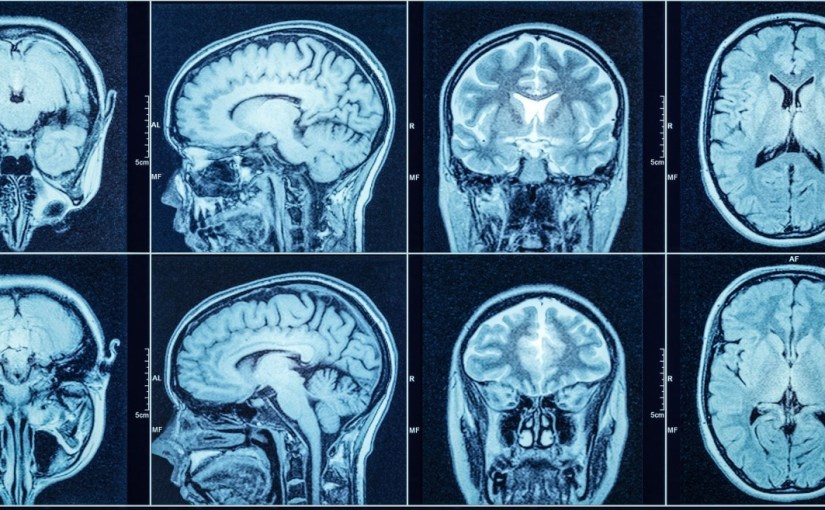
The American Association of Neurological Surgeons (AANS) reports that between 1.7 million and 3.8 million Americans suffer traumatic brain injuries (TBIs) each year. These injuries range from mild TBIs to severe and permanently disabling or fatal severe TBIs. However, even mild TBIs are serious and may have long-lasting repercussions.
Mild TBIs are commonly known as concussions and can result when you sustain a blow or other traumatic injury to your head or body. The type of injury and the force involved affect the extent and severity of the damage you might suffer. Los Angeles brain injury attorney Steven M. Sweat frequently represents people who have suffered TBIs at all severity levels and has written this guide to help you understand mild traumatic brain injuries, their causes, symptoms, diagnosis, and treatment.
Common Causes of Mild Traumatic Brain Injuries
According to research published in the peer-reviewed journal The Lancet Neurology, 90% of all traumatic brain injuries that happen in the U.S. each year are mild TBIs. These brain injuries can be caused by a blow to the body that causes a person’s brain and head to jolt back and forth quickly or a bump, jolt, or blow to the head.
These incidents can cause chemical changes inside the brain, stretching of or damage to brain cells, or the brain to bounce or twist inside the skull and cause symptoms that affect how the victim acts, feels, thinks, and sleeps.
Common incidents that can cause mild TBIs include:
- Falls – The most common cause of TBIs in older adults and children
- Vehicle accidents – TBIs suffered in collisions involving cars, trucks, motorcycles, bicycles, or pedestrians
- Assaults – TBIs as a result of domestic violence, child abuse, and other assaults
- Sports injuries – Concussions in sports such as football, boxing, baseball, hockey, lacrosse, and others
- Explosive blasts – TBIs resulting from exposure to explosive blasts, especially in military service members
Symptoms of a Mild TBI
A traumatic brain injury can cause a wide range of symptoms. Since the injury is milder, you might not immediately notice some of them. Because of this, you should seek medical attention from your doctor any time you suffer an accident in which you suffer a sudden blow or jolt to your head or body just to confirm you’re okay.
Some common signs and symptoms of a mild TBI include:
Physical Smptoms
- Headache
- Speech problems
- Feeling tired or drowsy
- Vomiting/nausea
- Dizziness/balance problems
- Blurred vision
- Tinnitus
- Strange or bad taste
- Changes in your ability to smell
- Light or sound sensitivity
Congnitive, Psychological, or Behavioral Symptoms
- Brief loss of consciousness
- No loss of consciousness but feeling disoriented or confused
- Mood swings
- Inability to concentrate
- Memory problems
- Feelings of depression or anxiety
- Sleep problems
Children’s Symptoms
Young children and infants who suffer mild TBIs may be unable to tell you about their symptoms. If your child or baby has suffered a blow to the head or a sudden jolt, watch for the following TBI symptoms:
- Unusual irritability
- Nursing or eating pattern changes
- Inability to be consoled
- Constant crying
- Difficulty paying attention
- Drowsiness
- Loss of interest in preferred toys/activities
- Sleep changes
How are Mild TBIs Diagnosed?
When you or your doctor suspect you might have suffered a mild TBI, they will ask you several questions about your accident, the type of blow or force involved, areas of your body that were impacted, and your medical history. They might also perform neuropsychological tests to identify whether you have any issues with learning, problem-solving, memory, and concentration.
Doctors typically conduct the following tests to evaluate whether you suffered a TBI and its severity:
Glasgow Coma Scale
The Glasgow Coma Scale is a neurological assessment tool that emergency healthcare personnel and doctors use to measure your level of consciousness and the initial severity of a TBI. The medical professional evaluates and scores you from three to 15 on your ability to follow directions, move your limbs, and move your eyes. They will also evaluate your speech and verbal responses. Higher scores on the Glasgow Coma Scale indicate mild injuries, while lower scores indicate moderate to severe TBIs or coma.
Computerized Tomography (CT) Scan
A computerized tomography (CT) scan is an imaging test that is typically the first one performed when doctors in the emergency department suspect a traumatic brain injury. This test involves using many X-rays in a series to create a highly detailed picture of the brain. With a CT scan, doctors can identify brain hemorrhages, hematomas, contusions, tissue swelling, and fractures to diagnose a traumatic brain injury. However, since the damage involved with concussions is microscopic, it typically can’t be seen on a CT scan.
Magnetic Resonance Imaging (MRI)
Magnetic resonance imaging (MRI) is a second type of imaging study doctors might order when they suspect a TBI. This scan uses powerful magnets combined with radio waves to generate a detailed picture of the brain. An MRI might be ordered if the patient’s symptoms don’t improve after the injury or once their condition has stabilized. It helps doctors to understand the extent and severity of the damage resulting from a TBI. Standard MRIs don’t allow doctors to see the microscopic damage involved in a concussion or mild TBI. However, newer, specialized MRIs do allow doctors to evaluate structural and functional changes in the brain to aid them in diagnosing mild TBIs.
Intracranial Pressure Monitor
A traumatic brain injury can cause tissue in your brain to swell and increase pressure. This can cause additional damage to your brain. You might also suffer bleeding in the brain following a TBI that can result in increased pressure and additional damage. In patients at risk of bleeding, doctors might insert a probe through their skulls to monitor the pressure.
In many cases, scans aren’t necessary to identify a mild TBI and might not help doctors diagnose them. Medical professionals may rely on the individual’s symptoms and performance on neuropsychological assessments to diagnose a mild TBI or concussion.
Treatment for a Mild TBI
Mild TBIs and concussions are serious. While they might be described as mild, they can have long-lasting impacts. They are described as mild because they normally don’t result in permanent disabilities or death.
Treatment for a mild traumatic brain injury typically involves a period of rest. You might be told to take over-the-counter pain relievers such as ibuprofen, sodium naproxen, or acetaminophen to treat headaches. Your doctor may tell you to monitor your symptoms closely at home and to return if your symptoms continue or worsen or if you experience new symptoms. You might be scheduled to return for follow-up appointments to monitor your recovery.
Your doctor will tell you when you are cleared to return to school, work, and your normal recreational activities. Rest will involve limiting the cognitive and physical activities that make your symptoms worse. Your doctor might tell you to rest for several days or until they clear you to return to your regular activities. In most cases, people with mild TBIs gradually return to their normal routines.
Why it’s Important to Seek Medical Care for a Mild TBI
If you received a blow to your body or head and are experiencing symptoms of a mild TBI, you should seek medical attention immediately. Your TBI could be more severe than you initially believe, and the damage could worsen without prompt treatment. Even if your TBI is mild, appropriate care can help to accelerate your recovery.
It’s best to seek care at an emergency department instead of waiting. However, if that’s not feasible, go to an urgent care facility or schedule an appointment with your primary care doctor as soon as possible after your accident. Your doctor can diagnose your injury and give you instructions on what to do to manage your symptoms. They can also tell you when and how you can safely return to your daily routine. Follow all of your doctor’s instructions to recover faster.
If you’ve experienced repeated mild TBIs, you might have a longer recovery time. Experiencing multiple concussions can also cause more severe symptoms and long-term problems with headaches, memory, concentration, and balance. If you’ve suffered TBIs in the past, make sure to tell your doctor so they can better assess your condition and explain the steps to take as you work toward recovering from your injuries.
 USA Today Health Blog